 Domain SearchInstantly check and register your perfect .pk or international domain
 Web HostingGet a .pk domain for as low as PKR 467
 cPanel HostingUser-friendly hosting powered by cPanel
 Reseller HostingLaunch your own hosting business with minimal technical requirements
 Windows HostingOptimized for Windows-based applications and websites
 Affiliate ProgramEarn referral commissions by promoting our services
 WordPress HostingFast & Reliable WordPress Hosting
 Domain TransferMigrate your existing domain seamlessly with zero downtime.
 All DomainsAccess 324+ top-level domains (TLDs) worldwide from a single platform
 Whois LookupIdentify the owner of any domain using our whois and rdap lookup tool
 Managed VPS Hosting
 AI Website BuilderCreate beautiful websites effortlessly using intuitive drag-and-drop features
 Online ShopLaunch a professional online shop with no technical skills required
 BlogDiscover expert guides on hosting, websites, SEO, and digital growth strategies
 ContactGet instant assistance via live chat or email
 SupportAccess help articles, tutorials, and service documentation
 SSL CertificatesEncrypt data, build trust, and boost SEO.
Choosing a hosting plan is one of the first big decisions you’ll make for your website, and it shapes everything from how fast your pages load to how much control you have over your server environment. Two of the most common options are Shared Hosting and VPS Hosting, and the right choice comes down to a simple trade-off: affordability and simplicity versus dedicated resources and control.
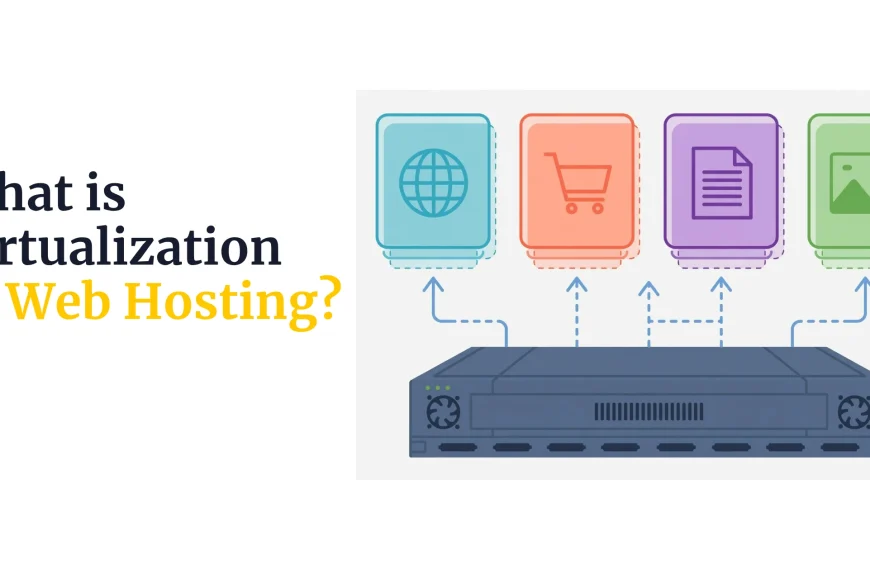
Shared Hosting is a budget-friendly setup where multiple websites live on the same physical server and split its resources; CPU, RAM, storage, and bandwidth are all pooled together. VPS (Virtual Private Server) Hosting, on the other hand, divides a physical server into isolated virtual environments. Each VPS gets its own guaranteed slice of CPU, RAM, and storage, even though it technically still shares the underlying hardware with other VPS accounts on the same machine.
This guide compares VPS Hosting and Shared Hosting across the factors that count most: performance, cost, security, control, scalability, ease of use, and reliability, so you can decide which one fits your website today, and which one you might grow into.
Head-to-Head Comparison
| Factor | Shared Hosting | VPS Hosting |
| Performance | Resources are shared, so performance can drop during busy periods. | Dedicated resources give more stable and reliable performance. |
| Starting Cost | ₨282.65 | ₨2,543.85 |
| Security | Basic security, but websites share the same server environment. | Better isolation and more control over security settings. |
| Control | Limited control and no root access. | Full control and root access on unmanaged VPS plans. |
| Scalability | Limited resources; upgrading may require moving to another plan or server. | Easier to add CPU, RAM, and storage as your site grows. |
| Ease of Use | Easy to manage and beginner-friendly. | Requires more technical knowledge, especially if unmanaged. |
| Reliability | Can be affected by other websites on the server. | More consistent because resources are isolated. |
1) Resource Allocation And Performance
Performance ultimately comes down to how resources are divided. With Shared Hosting, your website sits on the same server as potentially hundreds of other sites, all drawing from the same pool of CPU and RAM. If another site on that server experiences a traffic spike or runs resource-heavy scripts, your own site can slow down, even if your visitor numbers haven’t changed at all. This is often called the “noisy neighbor” effect.
With VPS Hosting, your virtual server is allocated a fixed, guaranteed share of CPU and RAM that other accounts on the physical machine can’t touch. This means your performance stays consistent whether your neighbor’s site is quiet or getting hammered with traffic, and it also means your own site handles traffic spikes far more gracefully.
Best choice: Shared Hosting works well for small or low-traffic sites where occasional slowdowns aren’t a major concern. VPS Hosting is the better fit for busy or growing sites that need predictable performance.
2) Cost
Cost is usually the deciding factor for many website owners, especially early on.
Shared Hosting
| Plan | Cost |
| Starter | ₨282.65 |
| Pro | ₨296.78 |
| Unlimited | ₨4,149.77 |
VPS Hosting
| Plan | Cost |
| Cloud VPS Elite | ₨2,543.85 |
| Cloud VPS 1 | ₨1,913.54 |
| Cloud VPS 2 | ₨3,609.44 |
| Cloud VPS 3 | ₨7,001.24 |
Shared Hosting plans are almost always the cheaper entry point, since the cost of the server is spread across every website hosted on it. VPS Hosting costs more because you’re paying for guaranteed, isolated resources rather than a shared pool, but that extra cost buys you significantly more power and headroom.
Best choice: Shared Hosting if keeping costs low is the priority. VPS Hosting if you need more resources and can work the extra cost into your budget.
3) Security & Isolation
Security is closely tied to how much you share with other accounts on the server. Website owners should also pay attention to domain and DNS security, since DNS plays a central role in directing visitors to the correct server. ICANN explains how the Domain Name System works and provides resources on DNS security and abuse.
On Shared Hosting, your website exists alongside many others in the same server environment. Reputable hosts isolate accounts from one another and apply baseline security measures, but a vulnerability in one site (an outdated plugin, for example) can, in some configurations, create risk for others on the same server.
VPS Hosting gives each account its own virtual environment, which is isolated from other users at the operating system level. This containment limits the blast radius of any single security issue, and because you have more control over the server, you can configure firewalls, install security software, and set custom access rules that shared environments typically don’t allow.
Best choice: VPS Hosting for websites that handle sensitive data or simply need stronger isolation and more granular control over their security posture.
4) Control & Flexibility
Shared Hosting is designed to be hands-off. You get access to a control panel for managing your website, but you can’t make server-level changes, install custom software, or modify server configurations; the hosting provider manages all of that on your behalf.
VPS Hosting hands much more of that control to you. On unmanaged VPS plans, you get root access, which means you can install custom software, configure the server environment exactly as you need it, and fine-tune performance settings. This flexibility is valuable for developers and businesses running applications with specific technical requirements.
Best choice: VPS Hosting if your project needs custom server settings, specific software, or configurations that go beyond what a standard shared environment supports.
5) Scalability
Growth is where the two options diverge most clearly.
Shared Hosting plans come with fixed resource limits. Once your website outgrows what your plan offers, your only real option is to upgrade to a higher shared plan or migrate to a different hosting type altogether, which can mean downtime and migration work.
VPS Hosting is built to scale with you. Because resources are allocated virtually, providers can typically increase your CPU, RAM, and storage without requiring a full migration, letting your hosting grow in step with your website’s traffic and needs.
Best choice: VPS Hosting for websites that expect to grow, whether that’s more content, more traffic, or more complex functionality.
6) Ease of Use
Shared Hosting is built for simplicity. Most providers offer easy-to-use control panels, one-click installs for platforms like WordPress, and managed maintenance. This makes it a good choice for beginners or anyone who prefers not to handle server administration.

VPS Hosting requires more technical know-how, particularly on unmanaged plans where you’re responsible for server setup, updates, and troubleshooting. Managed VPS plans reduce this burden by having the provider handle server maintenance, but you’ll still typically interact with more technical tools than you would on shared hosting.
Best choice: Shared Hosting if you want a simple, low-maintenance setup.
7) Reliability & Uptime
Reliability follows the same logic as performance: shared resources introduce shared risk.
On Shared Hosting, your site’s uptime and speed can be affected by the behavior of other websites on the same server; a sudden traffic surge or a misbehaving script elsewhere can ripple across the whole machine.
VPS Hosting isolates your resources, so what happens on other accounts has little to no effect on your own server’s performance. This isolation makes VPS a more dependable choice for websites where consistent uptime is critical.
Best choice: VPS Hosting for websites that need more consistent, predictable performance.
When to Choose Shared Hosting
- You’re starting a website. It’s a great fit for blogs, portfolios, personal sites, small businesses, and simple projects.
- Your traffic is low to moderate. Shared hosting handles a small or steady number of visitors well.
- You have a small budget. It’s typically the most affordable hosting option available.
- You don’t want to manage a server. Your provider handles most maintenance and updates for you.
- You need basic website features. Shared hosting usually supports WordPress, PHP, databases, email, and other common tools out of the box.
- Your website is light on resources. It suits sites that don’t demand heavy server power.
When to Choose VPS Hosting
- Your website has outgrown shared hosting. Slow performance or resource limits are common signs it’s time to upgrade.
- Your traffic is growing. A VPS gives you dedicated resources to handle more visitors reliably.
- You run a demanding website. Online stores, membership sites, booking platforms, and web applications often need more than shared hosting can offer.
- You need more control. A VPS puts you in charge of server configuration and software choices.
- You want better isolation. Your site runs in its own virtual environment rather than sharing space with many others.
- You expect future growth. You can scale CPU and RAM as your needs increase, without switching hosting types.
- You want help without giving up the benefits. A managed VPS plan offers VPS-level performance while the provider handles the technical maintenance.
Which One Should You Choose?
The right choice comes down to where your website stands today, not where you hope it ends up eventually. If you’re just starting, working with a tight budget, or running a simple site that doesn’t demand heavy resources, Shared Hosting is the practical pick; it gets you online quickly without asking you to manage a server. If your site is gaining traffic, running something resource-intensive, or you need more control and dependable performance, VPS Hosting is the better long-term fit.
The good news: this isn’t a decision you’re locked into. Plenty of website owners start on Shared Hosting and move to a VPS once their site outgrows it. If that sounds like where you’re headed, check Truehost’s VPS Hosting plans and find the setup that fits your next stage of growth.