 Domain SearchInstantly check and register your perfect .pk or international domain
 Web HostingGet a .pk domain for as low as PKR 467
 cPanel HostingUser-friendly hosting powered by cPanel
 Reseller HostingLaunch your own hosting business with minimal technical requirements
 Windows HostingOptimized for Windows-based applications and websites
 Affiliate ProgramEarn referral commissions by promoting our services
 WordPress HostingFast & Reliable WordPress Hosting
 Domain TransferMigrate your existing domain seamlessly with zero downtime.
 All DomainsAccess 324+ top-level domains (TLDs) worldwide from a single platform
 Whois LookupIdentify the owner of any domain using our whois and rdap lookup tool
 Managed VPS Hosting
 AI Website BuilderCreate beautiful websites effortlessly using intuitive drag-and-drop features
 Online ShopLaunch a professional online shop with no technical skills required
 BlogDiscover expert guides on hosting, websites, SEO, and digital growth strategies
 ContactGet instant assistance via live chat or email
 SupportAccess help articles, tutorials, and service documentation
 SSL CertificatesEncrypt data, build trust, and boost SEO.
A good domain name does several jobs at once.
It gives people a clue about what they will find,
creates an impression they can remember and
still sounds clear when someone says it aloud.
Those jobs pull in different directions. A descriptive name can sound ordinary. A highly inventive name can leave people wondering what the website does.
This guide helps you manage that trade-off.
I have organised over 200 domain name ideas around the choices behind them, so you can see why a combination works instead of copying a disconnected list.
The examples cover services, shops, creative work, software, education, communities and many other projects.
Use each name as creative material rather than a claim of availability. Once you develop a shortlist, search the domains with us and investigate similar names before you invest in the brand.
Four decisions shape a useful domain name
Before you combine words, decide what the name needs to communicate. Four choices will narrow an unmanageable vocabulary into a productive word bank.
1) How quickly should the name reveal the category?
A literal name tells people what the business does: HarbourTaxAdvisers.com, for example. A suggestive name gives a useful clue without stating the full service: ClearerFigures.com. An abstract name relies on branding to create the association.
The right level depends on how people find you. A local repair business usually benefits from immediate recognition because customers compare several unfamiliar providers.
A new software product may have more room for a suggestive name, especially when its homepage and app listing explain the function nearby.
Do not confuse obscurity with originality. If you remove every category clue, the remaining name needs a memorable sound, image or idea strong enough to repay the extra explanation.
2) What will make the name stick?
People remember concrete images, rhythmic phrases and meaningful contrasts more readily than strings of generic praise words. Your memory hook might come from:
an object connected to the work, such as kiln, ledger or lens;
a customer moment, such as moving day or Monday morning;
a compact phrase with natural rhythm;
two words that create an interesting contrast;
a sound pattern, such as repeated opening consonants.
Suppose you need a name for a small bakery:
Delicious, premium and quality make weak raw material because nearly every bakery could claim them.
Crumb, oven, batch, rise and morning give you things and moments people can picture.
FirstBatchMorning.comturns those inputs into a scene;CrumbAndKettle.comcreates a warm pairing.
Neither word bank guarantees a good result, but the second one gives you more distinctive possibilities.
3) How much room should the name leave?
Name the business you can realistically become, not every direction you could imagine.
KarachiWeddingCakes.com gives strong local and service recognition, but it becomes restrictive if the baker plans to sell everyday desserts across several cities. CelebrationOven.com leaves more room without becoming meaningless.
The opposite mistake creates a name so broad that it says nothing. A one-person bookkeeping practice does not need a name that could cover every financial product in the world.
Choose enough range for the next credible stage: an adjacent service, a broader customer group or a second location.
4) Where will people encounter the address?
A domain that looks elegant in a logo can fail in speech or email. Consider the situations that matter:
Customers hear it in a referral or on a phone call.
Drivers see it briefly on a vehicle or sign.
Prospects type it from a printed flyer.
Staff use it after
@in business email.Readers meet it in search results or social profiles.
These environments change the standard. If referrals matter, pronunciation and spelling deserve more weight.
If the domain mainly supports a campaign reached through links and QR codes, you may accept a more unusual construction. Your name still needs to survive lowercase text, where capital letters no longer separate the words.
Nine idea engines you can reuse
The following methods turn a stated input into a domain candidate. Each one solves a different naming problem, so select the method that fits the job rather than forcing every business through the same formula.
1) Add a signature detail to the service
Start with the ordinary category word, then identify a real detail that distinguishes how, where or for whom you work:
[signature detail] + [recognisable service]
Imagine an accountant who specialises in helping independent retailers understand daily cash flow. The basic service words are accounts, books and ledger. The signature-detail bank includes counter, daily, shopfloor and till. That gives you CounterLedger.com and DailyShopBooks.com.
CounterLedger.com does not describe every task the accountant performs. It uses the retail counter as a memorable clue while ledger protects category recognition.
The method works when the detail reflects a durable part of the offer. It fails when you attach a decorative word that customers cannot connect to the service.
2) Compress a customer moment into a phrase
Look for the scene immediately before someone needs the product:
[recognisable moment] + [helpful direction]
A school-lunch planning tool might begin with Sunday evening, lunchbox, school morning and weekly shop. The desired direction includes ready, sorted, packed and planned. LunchboxSorted.com compresses the situation and result. ReadyBySchooltime.com sounds natural, although it reveals less about the product.
This method creates emotional relevance without making inflated promises. It suits products tied to a repeated moment: tax season, moving day, exam week, payday or a first client. Avoid phrases that only your internal team uses; the moment needs to feel familiar to the customer.
3) Name the credible transition
Write down the customer’s starting state and the realistic state after using the offer:
[before] → [after]
For a decluttering consultant, crowded, buried and overflowing describe the starting point. clear, open and in place describe the destination. You could state both ends in CrowdedToClear.com, or keep only the movement in MakeRoomAgain.com.
The editorial step is important. You do not simply join two adjectives; you turn the change into language that someone might naturally say.
Use this approach for coaching, education, organisation and practical services. Do not turn an aspiration into a guarantee. DebtFreeTomorrow.com makes a far stronger promise than a domain should carry.
4) Bridge a concrete object to the benefit
Choose an object customers associate with the work, then pair it with the benefit the object helps create:
[work object] + [benefit or direction]
A home-security installer could use gate, key, camera or threshold as objects, then calm, watch, guard or ready as benefit words. ThresholdWatch.com connects the physical boundary to monitoring. KeyToCalm.com takes a more suggestive route.
The object supplies an image; the second word explains why it matters. This method works especially well for trades, makers, food businesses and creative services. Test the association with someone outside the industry, because an object that feels obvious to you may suggest another category to everyone else.
5) Give an audience a shared place
Name the people or interest, then choose a belonging word that reflects the actual relationship:
[audience or interest] + [kind of shared place]
For new freelance designers, the audience words might include independent, first-year, solo and freelance. A desk suggests practical resources, a circle suggests peer exchange, and a guild suggests a craft-led membership. SoloDesignDesk.com promises a different experience from FreelanceDesignCircle.com.
Use the belonging word honestly. A “community” with no interaction disappoints people, while a “library” creates an expectation of organised resources. This route fits newsletters, associations, learning groups and niche media better than a simple sales page.
6) Use place only when it helps someone qualify the offer
Combine the location customers actually use with the service or experience they seek:
[customer-facing place] + [offer or experience]
For a walking-tour operator in Lahore, inputs might include Lahore, a recognised neighbourhood, lanes, food walk and heritage. LahoreLaneWalks.com communicates geography and experience. A poetic alternative such as WalledCityStories.com creates more atmosphere but may need stronger supporting copy.
A place word works when service boundaries, local knowledge or destination identity affects the buying decision. It becomes a burden when expansion sits at the centre of the plan. You can also place the national signal in the extension instead of the words, which may preserve a shorter brand.
7) Turn a useful action into the name
Use a verb customers already understand and an object they want to change, create or manage:
[clear verb] + [meaningful object]
A tool that organises client approvals might start with review, mark, approve, send and sign, alongside draft, proof and version. MarkTheProof.com describes an action. ApproveTheDraft.app uses the extension to reinforce a software context.
Strong action names feel easy to repeat because they resemble instructions people already give themselves. The limitation comes from scope: if your product later handles the entire client workflow, a name centred on one minor action may understate it.
8) Create a point of view through contrast
Pair words that normally pull in different directions, then make sure the tension supports the brand:
[quality A] + [unexpected but compatible quality B]
A strategy consultancy might want to combine rigour with accessibility. Sharp, exact and serious form one bank; plain, warm and open form the other. SharpAndPlain.com suggests clear thinking without ceremony. WarmPrecision.com offers a more distinctive contrast.
Contrast creates personality, but random opposites only create confusion. You should be able to explain the relationship in one sentence. If the explanation requires a brand manifesto, the domain is carrying too much conceptual weight.
9) Let the extension complete the address
Treat the extension as the final word rather than an administrative suffix:
[name fragment] + [.relevant extension]
LearnInPublic.org, SendTheBrief.app and MadeForTheTable.shop each gain context from the ending. The words and extension read as one idea. This can free you from adding app, shop or organisation before the dot.
The advantage disappears if your audience does not recognise or trust the extension. Say the complete address aloud and ask testers to write it. If everyone automatically adds .com, the clever construction may lose more traffic than it gains.
300 domain name ideas by project type
I created the following names from the idea engines above and grouped them by the kind of project they could inspire. I have not checked current registration or legal availability. Change the words to match your own brief, then investigate every finalist.
Consulting and strategy
Consulting names need enough authority for a proposal but should still reveal an angle. These examples combine a work object, a decision moment or a productive contrast rather than relying on words such as best and solutions.
BriefToBearing.comNorthlineDecisions.comPlainviewStrategy.comTheClarityMargin.comSignalBeforeScale.comDecisionWorkbench.comOpenMapAdvisory.comNextQuestionFirst.comClearCoursePartners.comPracticalAltitude.com
Accounting and bookkeeping
The strongest inputs come from the records clients recognise and the calm, visibility or control they want. A category clue such as ledger, books or balance keeps a suggestive second word grounded.
CounterAndLedger.comBooksInOrder.comTheBalanceWindow.comLedgerDaylight.comMonthEndCalm.comFiguresWithinReach.comDailyBooksDesk.comClearColumnAccounts.comReceiptsToRecord.comSteadyTally.com
Legal and compliance services
Legal names should sound credible in formal communication. These ideas use documents, boundaries and navigation as concrete images; they avoid claims about guaranteed outcomes.
ClauseAndCompass.comTheFilingRoute.comTermsMadeClearLegal.comMatterMapAdvisory.comClearDocketCounsel.comRightsInWriting.comCompliancePathway.comTheContractHarbour.comProperRecordLegal.comCaseworkClarity.com
Property and real estate
Property domains can lead with a customer moment—finding, viewing, leasing or moving—or with a physical feature people can picture. Keep the geographic range consistent with the area you genuinely serve.
KeysBeforeNoon.comRoomToRelocate.comNextViewingNote.comDoorwayAndDistrict.comLeasePathProperty.comAddressFoundHere.comMeasuredMoveHome.comCornerPlotGuide.comNextThresholdHomes.comSettleNearHome.com
Architecture and construction
Plans, materials and construction stages provide specific raw material. These combinations communicate method and progress without promising impossible speed or a flawless build.
LineToLintel.comGroundAndGeometry.comMeasuredBuildWorks.comTheSiteDrawing.comBrickByBrief.comStructureInView.comLineLevelBuilds.comFromGroundForward.comBuiltFromScale.comBeamMeetsBoundary.com
Home repair and maintenance
People usually search for these services when something interrupts the day. These names balance a recognisable household object with readiness, repair or relief.
HingeAndHandle.comHomeBackInOrder.comHouseholdRepairRoute.comTapToTileCare.comReadyRoomRepairs.comFixBeforeFriday.comWallAndWireWorks.comHouseholdMend.comTheUsefulToolbox.comPatchAndPolishHome.com
Cleaning and organisation
The before-and-after transition gives this category its strongest language. These examples describe movement towards space and order without turning cleanliness into an absolute promise.
RoomMadeReady.comClearTheCupboard.comOrderAfterOverflow.comTheTidyInterval.comSpaceComesBack.comShelfByShelfCare.comSortedRoomStudio.comFreshStartSpaces.comPutAwayProperly.comOpenFloorHome.com
General online shops
A shop name needs character beyond the word store. These options suggest how someone browses, what the collection feels like or where selected items belong.
EverydayFindsEdit.comFoundForEveryday.comBasketAndParcel.comTheConsideredCart.comLittleFindsMarket.comChooseThenKeep.comTheGoodShelfOnline.comParcelOfPossibility.comPickedWithPurpose.comBrowseWorthKeeping.com
Fashion and accessories
Fashion names can use fabric, fit, movement or the moment of getting dressed. A concrete style signal helps the domain attract the right taste rather than attempting to please every shopper.
ThreadInMotion.comEverydaySilhouette.comCutForMovement.comWearTheDetail.comHemlineAndHue.comClosetInMotion.comTheSecondLookEdit.comButtonToBoulevard.comQuietStatementWear.comFitWithFeeling.com
Beauty and personal care
Rituals, textures and small moments give beauty brands more personality than generic luxury claims. The name should still suit the price point and tone of the actual range.
MirrorAndMethod.comTheGentleRitual.comGlowAtYourPace.comTextureAndTonic.comDailyCareCanvas.comPolishWithoutFuss.comTheSoftFinish.comRitualByMorning.comLayerByLayerCare.comFreshFaceRoutine.com
Food products and bakeries
Food names benefit from sensory details and familiar preparation moments. These examples use batches, crumbs, spice and the table to create appetite without making unsupported health claims.
FirstBatchMorning.comCrumbAndKettle.comSpiceOnTheSpoon.comOvenToGathering.comTheSharedPlatter.comFlourAtDaybreak.comSupperFromScratch.comTheSavoryParcel.comStirServeStay.comTableReadyTreats.com
Cafés and restaurants
A restaurant name can evoke a setting, pace or social occasion before it states a cuisine. Check that the mood in the name matches the menu and the experience customers will actually find.
CornerTableEvening.comTheOpenKitchenDoor.comLunchUnderLight.comPlateAndConversation.comTheNeighbourhoodSupper.comStayForAnotherCup.comForkBeforeFive.comGatherRoundDining.comTheLongLunchRoom.comSupperStartsHere.com
Homeware and interiors
Rooms, materials and ordinary household rituals provide a broad but coherent word bank. These names leave space for a collection while maintaining a recognisable point of view.
RoomAndGrain.comTheLivedInEdit.comObjectForTheRoom.comWoodAndWeaveHome.comTheUsefulInterior.comCornersWithCharacter.comShelfLightHome.comMadeToDwell.comEverydayObjectHouse.comSetTheRoom.com
Agriculture and farm businesses
Agricultural names can connect a real input—soil, seed, field or harvest—to stewardship and movement through the supply chain. Avoid picturesque words that misrepresent an industrial or technical operation.
SoilToSeason.comTheMeasuredHarvest.comSeedAndSteward.comFieldworkForward.comRowByRowFarm.comCropToCustomer.comGroundWorthGrowing.comAcreInPractice.comHarvestInHand.comFurrowAndFuture.com
Crafts and handmade goods
Tools and materials make memorable anchors because they reveal the process behind the product. Pair them with a second word that shows style, destination or human touch.
NeedleAndNotion.comClayInCompany.comTheMakerMeasure.comGrainToGift.comMadeAtTheBench.comThreadedByHand.comFormAndFiring.comThePatientTool.comCraftIntoKeepsake.comWorkshopToWindow.com
Personal portfolios
A portfolio domain has to carry a person’s reputation across changing projects. These alternatives suit creators who want a brand concept beyond their full name, while still leaving room for varied commissions and experiments.
WorkWithAView.comTheMakingRecord.comIdeasInPractice.comSelectedByHand.comTheWorkingPortfolio.comFromBriefToPiece.comMadeInIterations.comTheProjectCabinet.comPracticeMadeVisible.comWorkWorthOpening.com
Photography and video
Use the language of light, framing, motion and the moments clients want to preserve. A technical word can signal craft, while a human situation keeps the name from sounding like equipment retail.
LightBetweenMoments.comFrameTheFeeling.comStillnessInMotion.comLensAtDaybreak.comStoriesWithinFrame.comTheHonestCut.comMotionAndMemory.comScenesWorthSaving.comLightFoundHere.comTheFinalFrameStudio.com
Design and branding
Design work moves from an uncertain brief to a coherent visual system. These names use that transition, the tools of the practice and contrasts that suggest both imagination and discipline.
BriefIntoForm.comGridAndGesture.comTheUsefulMark.comColourWithReason.comFormFindsFunction.comTheIdentityWorkshop.comConceptToContour.comBoldWithMeasure.comTypeAndTemper.comMarksThatMean.com
Blogs and newsletters
Editorial names can promise a subject, a reading habit or a point of view. A compact recurring moment—such as a weekend note or a morning brief—helps readers understand how the publication fits their routine.
TheSecondParagraph.comNotesBeforeMonday.comFootnotesForUse.comReadWithContext.comTheCuriousMargin.comReadOneLayerDeeper.comTheWeekendAnnotation.comWorthAnotherRead.comTheOpenNotebookLetter.comIdeasAfterTheHeadline.com
Podcasts and interview shows
A podcast name should remain clear when a host says it and a listener searches for it later. These examples use conversation, listening and recurring programme moments instead of visually clever spelling.
StayForTheQuestion.comTheListeningChair.comOneConversationMore.comVoicesWithContext.comTheUsefulPause.comAskPastTheAnswer.comAcrossTheMicrophone.comTheLongerListen.comTalkAtTheTable.comBetweenTwoQuestions.com
Music and audio projects
Rhythm, rehearsal, performance and sound itself offer richer inputs than broad words such as entertainment. Check that a poetic name remains easy to hear and type when someone encounters it in an introduction.
RhythmInTheRoom.comTheListeningLine.comSoundAfterSunset.comChorusAndCurrent.comTheRehearsalDoor.comNotesIntoNight.comVolumeWithFeeling.comThePatientBeat.comSongBeforeSilence.comMelodyInMotion.com
Software as a service
Software domains work well when they name an action, workflow object or useful state. Keep the name broad enough for the product roadmap, but do not hide a simple tool behind an abstract technology brand.
ReviewTheQueue.comDraftToDone.comTheStatusWindow.comFindTheUsefulSignal.comHandoffInView.comApproveWithContext.comTheWorkingDashboard.comTasksFindOwners.comClearNextAction.comUpdatesWithoutChasing.com
Mobile apps and digital tools
An app name can resemble the small action that brings someone back each day. These ideas focus on a repeatable behaviour or moment rather than the device itself.
TapToRemember.comKeepTheMoment.appPlanInPockets.comTheDailyPrompt.appSaveItForLater.appMoveOneThing.comCheckBeforeYouGo.appSmallStepsStored.comTheUsefulReminder.comPlanWithinReach.app
AI and automation
AI names need to explain the useful change, not merely attach AI to an industry word. These examples focus on review, preparation, sorting and assistance—tasks a customer can evaluate.
FirstDraftFaster.comSortBeforeSending.comThePreparedReply.comPatternsIntoAction.comReviewWithReason.comTheAssistLayer.comQuestionsToWorkflow.comSignalFromDocuments.comRoutineMadeLighter.comTheSecondPairOfEyes.ai
Digital agencies
Agency names should support the work you want more of. The following examples combine digital objects, commercial movement and disciplined creativity without claiming every possible marketing service.
CampaignAndCraft.comTheGrowthWorkbench.comClicksWithContext.comBriefToBrowser.comMarketInMotion.comTheUsefulLaunch.comCreativeWithMeasure.comPagesThatProgress.comDemandAndDetail.comLaunchLineStudio.com
Courses and education
Education names can describe the learner’s next capability, the learning environment or a manageable transition. Avoid guaranteed grades, jobs or income; the domain should invite progress without overstating the result.
LearnThenApply.comThePracticeLesson.comConceptsWithinReach.comStudyWithDirection.comOneSkillFurther.comExampleInPractice.comQuestionsIntoKnowledge.comLessonsForUse.comUnderstandByDoing.comTheClearerClassroom.com
Careers and recruitment
Job seekers and employers meet at specific moments: defining a role, preparing an application, making an introduction or choosing the next move. Names built around those moments feel more useful than vague promises about success.
RoleInFocus.comTheCandidateBrief.comWorkWorthJoining.comNextMoveCareers.comSkillsMeetRole.comTheInterviewWorkbench.comPeopleForTheProject.comCareerWithContext.comFindTheRightWork.comTheHiringConversation.com
Travel and local experiences
Travel names can lead with movement, discovery or the kind of experience you curate. Add a location when it helps visitors qualify the offer; omit it when the itinerary can expand without losing its identity.
TurnDownThisLane.comTheLocalDetour.comStoriesAlongTheWay.comWalkPastTheGuidebook.comTheUnhurriedRoute.comMeetTheNeighbourhood.comBeyondTheMainRoad.comAPlaceWithStories.comTheCuriousItinerary.comArriveAndExplore.com
Accommodation and guest stays
Stay-related names should match the property’s real atmosphere. These examples use arrival, rest, setting and hospitality; they leave room for the description and photography to establish luxury level and exact location.
RestBeyondTheGate.comTheWelcomeWindow.comStayNearTheStory.comMorningAtTheCourtyard.comTheQuietArrival.comWeekendRoomFound.comKeysAndKindness.comTheRestfulAddress.comSleepThenWander.comSettleForTheNight.com
Logistics and delivery
Reliability matters here, but an absolute promise can become a liability. These names use routes, handoffs, loads and visibility to communicate the work without claiming that delays can never happen.
RouteInView.comTheReadyHandoff.comParcelToPlace.comLoadWithDirection.comTheMovingManifest.comDispatchMadeClear.comFromGateToDoor.comCargoOnCourse.comTheDeliveryWindow.comEveryMileAccounted.com
Turn 300 possibilities into a defensible shortlist
A long list helps you escape the first predictable ideas. It does not tell you which name deserves the investment. Reduce the list in stages so that a clever sound cannot distract you from a practical failure.
First, keep candidates from genuinely different directions. If your list contains ClearLedger, ClearBooks, ClearFigures and ClearAccounts, you have one idea with four nouns, not four strategic options. Retain the strongest version, then compare it with a customer-moment name, an image-led name and a more suggestive brand.
Next, judge each candidate against five non-negotiable questions:
Question | Evidence you want | Problem it uncovers |
|---|---|---|
Can the right person infer enough? | Testers place the name near the intended category or feeling | an original but empty combination |
Can someone repeat and spell it? | A listener writes the complete address after hearing it once | sound collisions, unusual spelling or extension confusion |
Does it still fit the next credible stage? | The name covers the present offer and likely adjacent growth | a product, audience or location trap |
Does it work as a complete address? | The words and extension sound natural together | a strong brand paired with a forgettable ending |
Can you use it without avoidable conflict? | Domain, web, company-name and trademark searches reveal no obvious collision | availability mistaken for permission |
Do not average away a serious weakness. A beautiful name that people cannot spell still loses referrals. A descriptive name that closely resembles an established competitor still creates risk. Treat spoken clarity and clearance as gates, then use tone and distinctiveness to choose among the candidates that pass.
Our guide on how to pick a domain name can help you evaluate the finalists. This article owns the idea-generation stage; that guide takes the next step and focuses on choosing between the options.
Test the name in the places where people will use it
Your logo shows the domain under ideal conditions. The following tests expose what happens in ordinary conversation, browsers and inboxes.
Say it once, then ask someone to write it
Use a natural sentence: “You can find the details at…” Do not slow down or emphasise the word boundary. Compare what the listener writes with the intended address. If several people make the same mistake, change the name instead of planning to explain it forever.
This test catches more than spelling. It shows whether the rhythm holds together and whether listeners remember the extension. Run it with people who did not take part in the naming process; familiarity makes founders unusually good at decoding their own ideas.
Put it after an email address
Write realistic examples such as:
A playful phrase may suit a consumer shop but feel awkward on a quotation, invoice or job advert. If email forms an important part of the business, choose a name that staff can say confidently and customers can type. Once you register it, our business email service lets you create branded mailboxes on the domain.
Remove the capital letters
Write the full domain in lowercase without styling. Look closely at every word join. Capitals may show you TherapistFinder, while a browser shows one uninterrupted string. Check for unintended words in English, Urdu, Roman Urdu and any other language your audience commonly uses.
You do not need a name that carries the same meaning in every language. You do need to catch a reading that could embarrass the brand, confuse pronunciation or exclude a major customer group.
Leave it alone overnight
Set the shortlist aside and write down the names you remember the next day. This test cannot prove that a memorable name is suitable—annoying names also stick—but it can expose candidates that disappear as soon as the spreadsheet closes.
Then recall the meaning. If someone remembers the sound but attaches it to the wrong category, the hook may overpower the message.
Choose the words and extension together
The extension changes how the complete address sounds and what it signals. .com remains a familiar option for a broad commercial audience. Purpose-led extensions such as .org, .shop, .studio and .app can add useful context when customers recognise them and the complete address reads naturally.
For a website that wants a clear Pakistan connection, .pk supplies the national signal.
PKNIC, the official registry operator, also defines categories such as .com.pk for a business or individual, .org.pk for organisations and .edu.pk for qualifying educational institutions.
Our .pk domain page explains the local options, while our domain extension catalogue helps you compare them with other endings.
Do not assume every .pk category follows the same rules.
PKNIC states, for example, that a direct second-level .pk label must contain at least four characters, while institutional categories such as edu.pk carry purpose-based requirements.
PKNIC does not require local presence for an ordinary registration, but the name must still follow its policy.
Registering both a local and a broad extension can protect a valuable brand or serve different audiences, but it also creates another renewal to manage.
Choose one primary address and redirect the other so customers do not encounter two competing versions of the site.
Availability, company-name approval and trademark clearance are separate checks
A free result in a domain availability search answers one narrow question: can you register that address now?
It does not give you trademark rights, reserve a company name or prove that the name will not confuse customers.
PKNIC registers eligible domains on a first-come, first-served basis, but its policy also makes clear that registration does not confer legal rights to the words.
Pakistan’s Securities and Exchange Commission applies a different test when it reviews a proposed company name. SECP can reject a name that closely resembles an existing company, misleads people, conflicts with a registered trademark or uses restricted wording.
Run the checks in layers:
Search the exact domain and sensible spelling variants.
Use our WHOIS lookup to investigate a registered address rather than guessing about its status.
Search the proposed name and close variants across the web, app stores, marketplaces and social platforms where you plan to operate.
Review the relevant company-name rules and records. SECP publishes its company name reservation criteria and current name reservation guidance.
Search relevant trademark records, including the WIPO Global Brand Database, and seek professional advice when the brand carries significant investment or conflict risk.
I have not presented any of the 300 examples as currently available, approved as a company name or legally cleared. Use their construction patterns, then complete the checks in every market where you plan to trade.
Improve a taken idea instead of damaging it
When somebody already uses your first choice, inspect the conflict before you alter the spelling. An active business in the same category may make the entire direction unsafe, even if another extension remains free.
If the underlying idea still works, return to the original inputs.
Suppose BriefIntoForm.com has gone. The inputs were a design document, a transformation and a finished visual form. You could:
Change the work object (
ConceptIntoForm.com),Make the audience more specific (
BriefToBrand.com) orMove to another image from the same process (
FromNotesToIdentity.com).
Each revision changes meaning while preserving the strategy. BriefIntoForm247.com only adds characters that callers must remember. A hyphen, number, misspelling and obscure extension stacked together usually cost more clarity than the original idea deserves.
Register the address and put it to work
Your final domain should help the right person recognise the project, survive speech and email, and leave enough room for credible growth.
It does not need to contain every service or aspiration. The website can carry the detail; the domain needs to provide a clear, durable way to reach it.
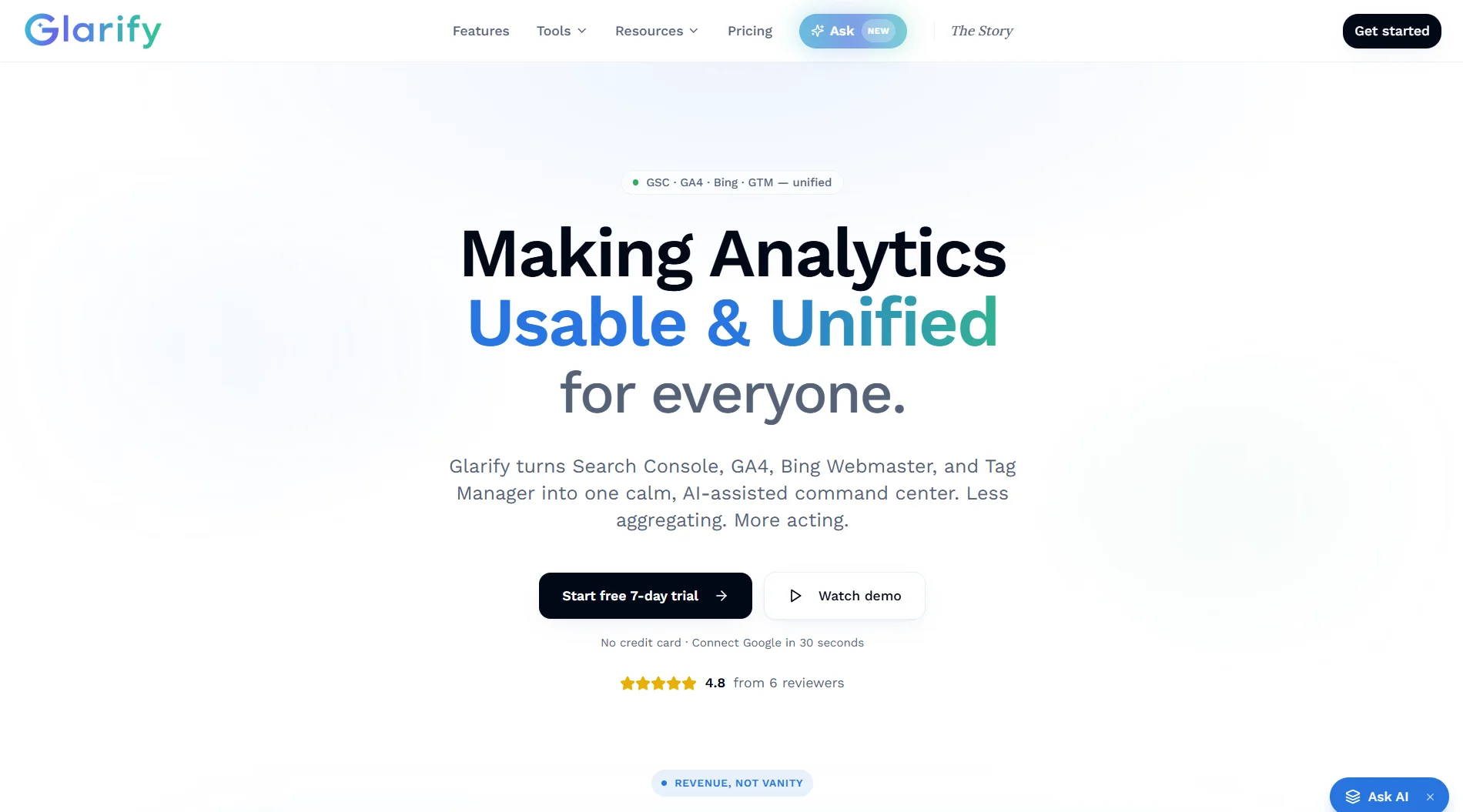
Glarify.net for instance, a powerful dashboard that unifies analytics across Google Search Console, Google Analytics, Bing and Tag Managers, does not have seed keywords such as SEO, Analytics or Dashboard in its name, yet the implied meaning still gets the message across
When you have one or two serious candidates, check them with us. We help you register the chosen domain and manage it from one account.
If you still need to decide how the website will take shape, compare a builder-led and custom route in our website builder versus developer guide.
You can also see where current AI tools fit in our explanation of AI website builders.
After registration, connect the domain correctly and keep control of the account, contact information and renewals.
Our guide to domain nameservers explains how the domain points visitors towards your hosting. If you want to compare registration support and ownership considerations first, read our review of .pk domain registrars.
A name becomes useful when customers can remember it, trust it and reach a real website through it. Choose carefully, then launch before endless variations turn naming into a substitute for building the business.