 Domain SearchInstantly check and register your perfect .pk or international domain
 Web HostingGet a .pk domain for as low as PKR 467
 cPanel HostingUser-friendly hosting powered by cPanel
 Reseller HostingLaunch your own hosting business with minimal technical requirements
 Windows HostingOptimized for Windows-based applications and websites
 Affiliate ProgramEarn referral commissions by promoting our services
 WordPress HostingFast & Reliable WordPress Hosting
 Domain TransferMigrate your existing domain seamlessly with zero downtime.
 All DomainsAccess 324+ top-level domains (TLDs) worldwide from a single platform
 Whois LookupIdentify the owner of any domain using our whois and rdap lookup tool
 Managed VPS Hosting
 AI Website BuilderCreate beautiful websites effortlessly using intuitive drag-and-drop features
 Online ShopLaunch a professional online shop with no technical skills required
 BlogDiscover expert guides on hosting, websites, SEO, and digital growth strategies
 ContactGet instant assistance via live chat or email
 SupportAccess help articles, tutorials, and service documentation
 SSL CertificatesEncrypt data, build trust, and boost SEO.
Your domain name is one of the most important decisions you’ll make for your online store. Changing your logo, colors, or products is easy, but changing your domain later can mean losing traffic, backlinks, bookmarks, and customers who already know your website.
A good domain should be short, easy to spell, easy to remember, professional, and flexible enough to grow with your business. It should also look good on packaging, sound natural in ads or podcasts, and fit easily in social media profiles.
.com is still the most familiar domain extension, but it is not your only option. Extensions such as .shop and .store are also popular choices for ecommerce businesses and can make it clear that your website is an online store.
You also don’t need to fill your domain with keywords to rank higher on Google. Search engines consider many factors, and keyword-heavy domains no longer have a major SEO advantage. A keyword can help visitors understand what you sell, but a short and memorable brand name is often more valuable.
For example, Novacrate.com is short, brandable, and easy to remember. Buyfashionclothesnow.com explains the business, but it is long and harder to remember.
This guide explains what makes a good ecommerce domain, provides domain name ideas for different types of stores, and covers the checks you should make before buying one.
What Makes a Great Ecommerce Domain Name?
Before browsing name ideas, it helps to have a short checklist in mind. The strongest domains tend to hit most or all of these marks:
- Short and simple. Easy to type, easy to remember, easy to share verbally without spelling it out.
- Memorable and brandable. A name someone can recall after hearing it once, not just after seeing it written down.
- Easy to spell. Skip abbreviations, numbers, and creative misspellings; they’re a common source of lost traffic when customers type what they think they heard.
- Relevant to your business. The name should hint at what you sell without boxing you into one narrow product forever.
- Easy to pronounce. If people stumble over it in conversation, it won’t spread by word of mouth.
- Flexible. A name built around one specific product can become a liability the moment you expand your catalog.
- Available and safe to use. Check the domain itself, matching social handles, and existing trademarks before you fall in love with a name.
With those principles in mind, here’s how they play out across different types of stores.
Domain Ideas by Store Category
Good domain naming starts with a clear strategy, not random brainstorming. Each category below includes example names paired with the naming technique behind it: compound words, invented brandables, metaphor, alliteration, and so on. Treat these as frameworks to build from, not names to copy directly; a name that’s memorable specifically because it’s unclaimed loses its value the moment it’s reused.
1) Fashion & Apparel
Apparel names tend to lean on texture, movement, and lifestyle words; fabric, thread, and fit are common anchors because they connect directly to how clothing feels and functions.
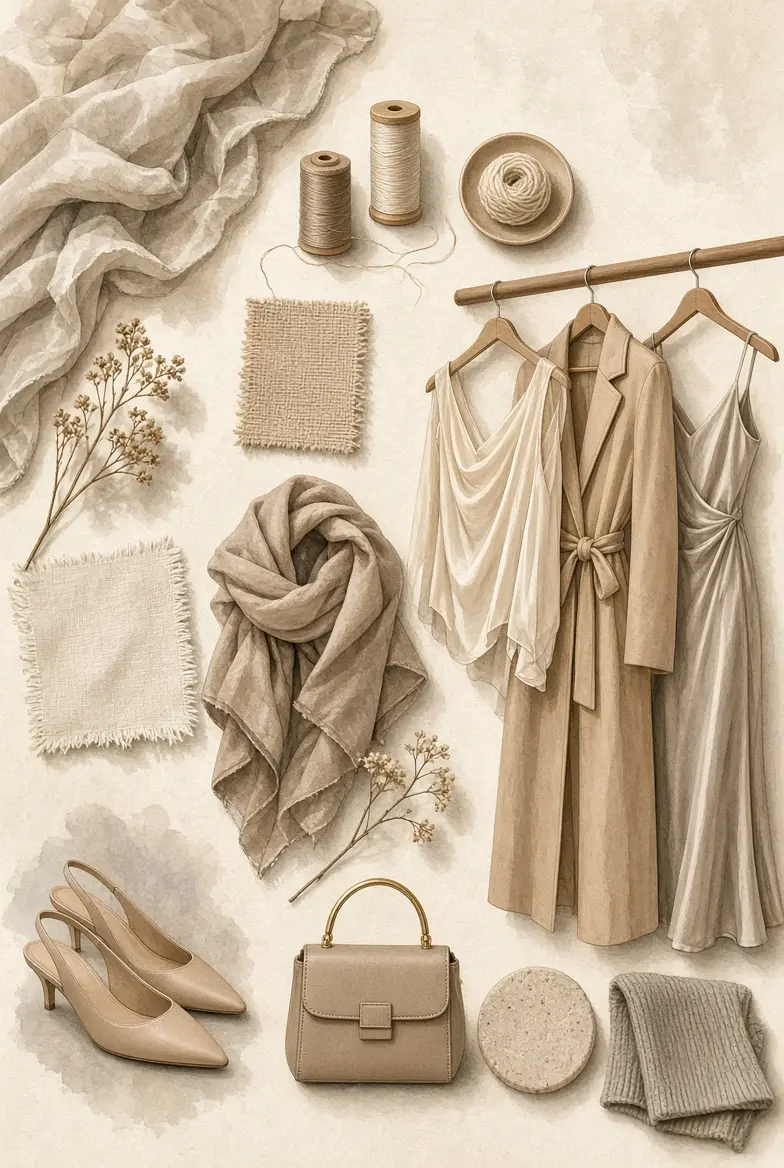
- Thread & Co., Stitchline, Cloth & Kin: compound/descriptive names that evoke the craft of clothing itself
- Loomcraft, Drapewell: invented/brandable names that sound established and premium
- Nomad Threads: metaphor-driven, suggesting a lifestyle rather than just a product category
- Fitfolk, Seamsociety: community-driven names with a casual, modern tone
2) Beauty & Skincare
This category rewards soft, sensory language. Words that evoke touch, light, or freshness tend to perform well because they mirror how customers actually experience the products.
- Glowlab, Dewpoint Beauty: descriptive, tied directly to skin’s appearance and effect
- Blushberry, Rosetint: compound names that are playful and visual
- Skinfolk, Petalwell: brandable, nature-inflected names with a warm, approachable feel
- Luminéve, Purelume: invented names that position the brand as premium or apothecary-style
3) Home & Furniture
Home brands benefit from grounded, warm language. Imagery of wood, hearth, and dwelling signals comfort and permanence: qualities customers associate with furniture they plan to keep for years.
- Hearthwood, Oakmill Home: material-based names that feel tactile and traditional
- Nestcraft, Dwellwell: metaphor built around home as nest or dwelling, easy to say aloud
- Havenly Goods, Timberfolk: emotion plus community framing, feels curated rather than generic
- Formstead: brandable, well suited to a more modern or minimalist furniture line
4) Food & Beverage / Gourmet
Food names often benefit from niche-specific extensions (.coffee, .wine) alongside evocative, appetite-driven language that signals freshness and craft.
- Harvest & Hearth, Farmstand Direct: descriptive names that signal freshness and trust
- Brinewell, Saltfire Kitchen: descriptive plus metaphor, well suited to specialty or fermented goods
- Roastcraft (pairs naturally with .coffee), Vine and Vessel (pairs naturally with .wine): niche-TLD-friendly names
- Sipwell, Gourmetly: brandable and flexible across a beverage or gourmet-food line
5) Pet Products
Playfulness is an asset here. Pet brands can take more liberties with puns and casual compounds than most other categories, since the tone customers expect is lighthearted from the start.
- Pawstead, Barkline: simple, memorable compound names
- Furrowell, Whiskerly: playful portmanteaus, good for a lighthearted brand voice
- Tailwag Supply Co., Furrytail Goods: descriptive and emotional, evoking the customer’s relationship with their pet
- Petfolk, Muttwell: brandable plus community framing, casual and friendly
6) Electronics & Gadgets
Tech names lean toward short, hard-edged, invented words. They should sound fast and precise; anything that feels soft or decorative tends to undercut the category.
- Circuitly, Bytewell: descriptive names with a brandable suffix; technical but approachable
- Nexbyte, Ampcore: invented, punchy, and modern
- Voltcraft, Pixelforge: compound or metaphor-driven names implying engineering or craftsmanship
- Gizmofolk: an outlier suited to a more consumer-friendly, less clinical gadget brand
7) Handmade/Artisan & Etsy-Style Shops
These names should feel personal and slightly imperfect. Overly polished or corporate-sounding names can actually undercut the handmade appeal customers are looking for.
- Craftedly, Handloom Studio: descriptive names that signal the making process itself
- Thistle & Twine, Kilnfolk: alliteration or niche-specific names evoking a particular craft, like pottery or textiles
- Made by Hearth, Rootcraft Goods: emotion-driven, warm, small-batch feeling
- Tinkerwell: a playful, brandable name that fits a maker with a varied product range
8) Fitness & Wellness
Fitness names generally split into two lanes: high-energy and performance-oriented, or calm and restorative. It’s worth picking the lane your brand actually lives in rather than trying to straddle both.
- Coreline Fitness, Peakform Co.: descriptive, performance-oriented names
- Ironroot, Pulsewell: metaphor-driven names implying strength and vitality
- Zenstead, Vitalfolk: wellness and community-oriented, with a softer tone
- Rise & Repeat: emotion- or motivation-driven, works well as a tagline-style name
9) Kids & Baby Products
Softness and playfulness count most here, but names should stay easy for adults, the actual buyers, to spell and remember when searching or recommending the store to friends.
- Littlestead, Cradlecraft: compound or metaphor-driven, gentle and warm
- Tinytrove, Sprout & Sock: alliteration, playful and easy to say
- Nestlingco, Cherubwell: metaphor and emotion evoking care and protection
- Tumblebug Kids: a playful, brandable name suited to a toy-focused store
10) Sustainable/Eco-Friendly Goods
Earthy, grounded language works well in this category, but it’s worth avoiding words so generic, “green,” “eco”, that they blend into nearly every competitor’s name.
- Earthfolk, Rootwell: brandable and metaphor-driven, grounded and simple
- Greencraft Co., Soilcraft: descriptive plus craft framing, direct without being generic
- Reclaimly, Renewline: descriptive names implying sustainability practices like reuse and renewal
- Loopwell: a metaphor for the circular economy, a subtler alternative to “eco”-prefixed names
11) Niche/Dropshipping Micro-Stores
These stores often need names flexible enough to pivot products without a full rebrand, so vaguer, more elastic names actually work in the store’s favor rather than against it.
- Quicklist Goods, Swiftcart Co.: descriptive, emphasizing speed and convenience
- Trendloom, Bundlewise: compound or descriptive names broad enough to cover shifting inventory
- Fetchly, Curatedly: brandable suffix names, generic enough to stretch across categories
- Sparefolk: a niche community angle, useful if the store has a specific micro-focus, such as spare parts or accessories
Checking a Domain Before You Buy
Once you have a shortlist, run each candidate through a few quick checks before registering anything:
i) Domain availability across extensions. Even if your first-choice .com is taken, a .shop, .store, or category-specific TLD may still be available. You can also use ICANN’s Lookup and RDAP resources to check registration information for many generic domain extensions. For a new ecommerce brand, a suitable alternative extension can still be a credible starting point.
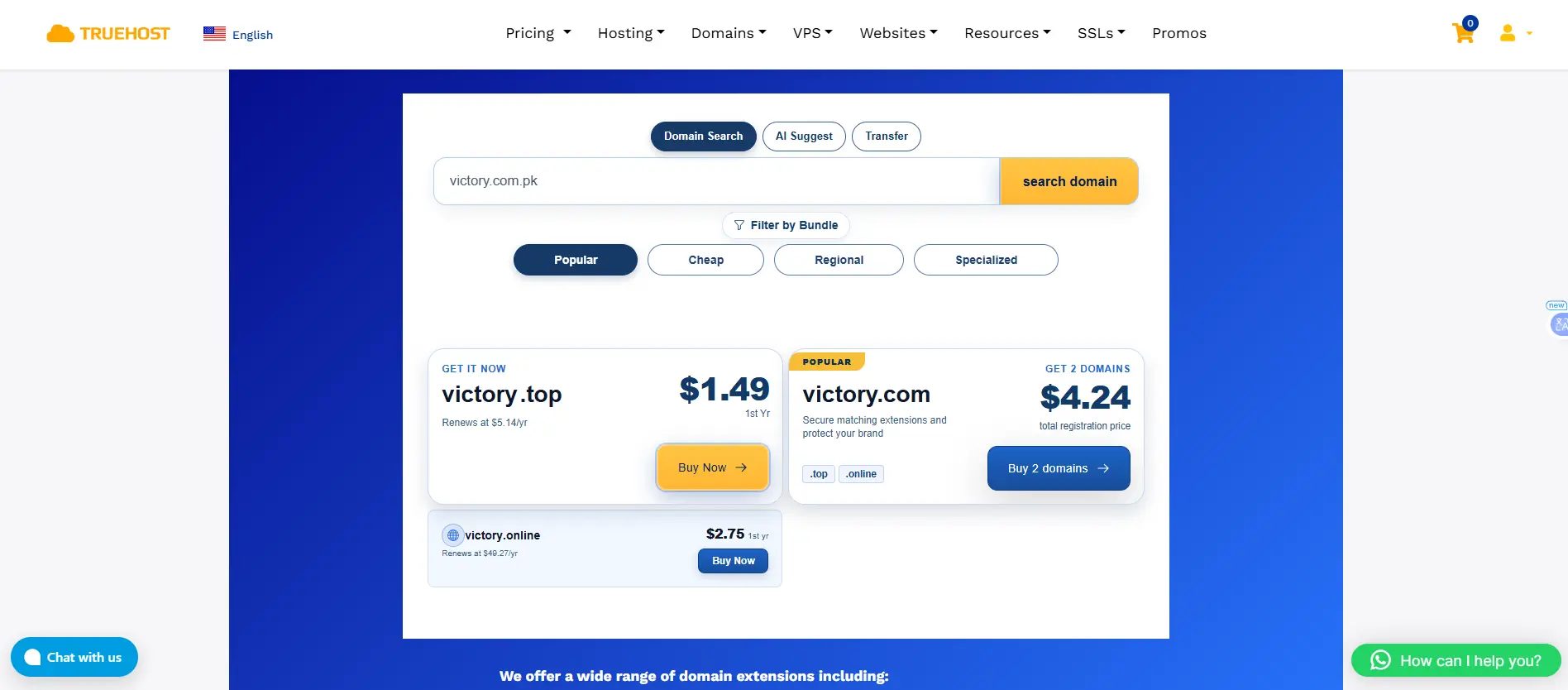
ii) Matching social handles. A domain is only half the brand. Search each name across the platforms you plan to use so your handle and URL stay consistent.
iii) Trademark conflicts. A quick search of your country’s trademark database (and a general web search for the name plus your product category) can save you from a costly rebrand down the line.
iv) Pronunciation test. Say the name out loud to a few people who haven’t seen it written down. If they can’t repeat it back correctly, it’s not ready yet.
v) Room to grow. Picture the name on a product line you haven’t launched yet. If it still fits, you’re in good shape.
Find the Domain That Grows With You
The best ecommerce domain names don’t try to describe everything a business does; they capture a feeling, a craft, or a lifestyle, and let the products fill in the rest. Whether you lean toward a warm, community-driven name like Petfolk or a sharp, invented brandable like Nexbyte, the goal stays the same: something short enough to remember, flexible enough to grow with you, and distinct enough to stand on its own once customers start typing it from memory.
Take the naming ideas above, combine the techniques that fit your store, and test your shortlist before committing. Once you’ve found a name that is short, memorable, available, and safe to use, you’re ready to register it.
Search and register your domain with Truehost and get your online store started with a domain built to grow with your business.