 Domain SearchInstantly check and register your perfect .pk or international domain
 Web HostingGet a .pk domain for as low as PKR 467
 cPanel HostingUser-friendly hosting powered by cPanel
 Reseller HostingLaunch your own hosting business with minimal technical requirements
 Windows HostingOptimized for Windows-based applications and websites
 Affiliate ProgramEarn referral commissions by promoting our services
 WordPress HostingFast & Reliable WordPress Hosting
 Domain TransferMigrate your existing domain seamlessly with zero downtime.
 All DomainsAccess 324+ top-level domains (TLDs) worldwide from a single platform
 Whois LookupIdentify the owner of any domain using our whois and rdap lookup tool
 Managed VPS Hosting
 AI Website BuilderCreate beautiful websites effortlessly using intuitive drag-and-drop features
 Online ShopLaunch a professional online shop with no technical skills required
 BlogDiscover expert guides on hosting, websites, SEO, and digital growth strategies
 ContactGet instant assistance via live chat or email
 SupportAccess help articles, tutorials, and service documentation
 SSL CertificatesEncrypt data, build trust, and boost SEO.
A portfolio website gives potential clients, employers, and business partners a place to view your work, skills, experience, and contact details. Your domain is the web address people use to access that portfolio, so it should be professional, simple, and easy to remember.
Choosing a domain is not just about finding an available name. You also need to consider the domain extension, price, renewal costs, security, and how the name will work as your career develops.
Here are seven tips to help you choose and buy a domain for your portfolio website.
1) Choose a Domain That Matches Your Personal Brand
For a portfolio site, your domain is your brand, so the safest and most effective starting point is almost always your own name.
- Use your first and last name when possible; something like janedoe.com. It’s professional, instantly memorable, and it will still make sense regardless of how your career evolves.
- If your exact name is taken, don’t panic and don’t reach for something unrelated. Try a middle initial (
janemdoe.com), a shortened version, or a profession-related pairing likejane.designor doe.dev. These read as intentional rather than as a fallback. - Say the domain out loud before you commit. If a friend can’t spell it back to you correctly after hearing it once, it’s going to cause friction every time you give it out verbally, at a networking event, over the phone, or in an interview.
- Avoid names tied to a narrow job title or niche (like
janedoephotographer2019.com) unless you’re certain your focus won’t shift. Careers evolve, and a domain that boxes you into one role today can feel outdated in a few years. - Resist the urge to stuff in keywords. A name like
janedoe-webdesigner-nyc.commight feel like it helps with search visibility, but it reads as less trustworthy and is harder to remember than a clean, personal name. Keep it human, not algorithm-first.
The goal is a domain that will still make sense five or ten years from now, regardless of which direction your work takes.
2) Choose the Right Domain Extension
The extension (also called a top-level domain, or TLD) shapes how your site is perceived just as much as the name itself.
- .com remains the default expectation. It’s the most familiar extension globally, and many people will instinctively type it even if you’ve registered something else, which is one reason it’s worth prioritizing if it’s available and affordable.
- Profession-specific extensions can work extremely well for a portfolio, especially when they let you keep a shorter or cleaner core name:
- .me: general personal brands and portfolios
- .dev: developers and technical professionals
- .design: designers
- .photo: photographers
- .art: artists and other creatives
- .io: tech-leaning or startup-adjacent work
A name that fits naturally with one of these extensions (for example, jane.design) can look more polished and intentional than a strained .com alternative like janedoedesignstudio.com.
- Match the extension to your audience, not just your taste. If most of your clients are non-technical (say, corporate hiring managers or traditional businesses), an unfamiliar extension may cause hesitation. If your audience is other developers or designers, a .dev or .design domain can actually signal credibility.
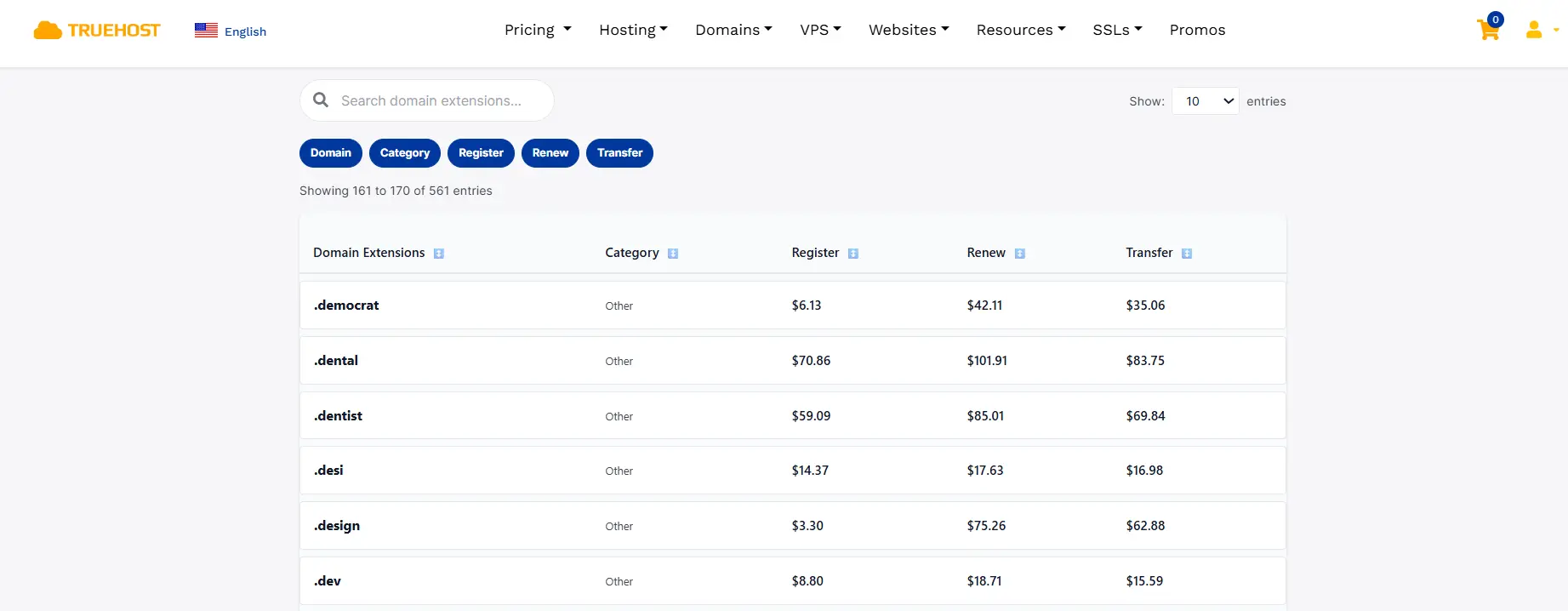
- Compare registration and renewal pricing before buying. Newer or niche extensions sometimes carry a low first-year promotional price that jumps significantly at renewal. Always check the standard renewal rate listed by the registrar, not just the price on the checkout page.
3) Keep Your Domain Short and Easy to Remember
Length and simplicity count more for a portfolio domain than almost anything else, because the domain needs to survive being spoken, typed on a small screen, and remembered days or weeks after someone first saw it.
- Aim for roughly 1–3 words. Shorter domains are easier to recall, easier to fit on a business card, and less prone to typos.
- Avoid hyphens, numbers, and unusual spellings.
jane-doe-designs.comandjanedoe4.comboth introduce friction; a hyphen might get dropped, and a number might be misread as spelled out (four) versus a digit. - Test it in real contexts before you buy: How does it look on a resume header? In an email signature? Read aloud when you introduce yourself? Typed one-handed on a phone keyboard? A domain that looks fine in a text document can still be awkward in practice.
- For a portfolio specifically, memorability beats keyword density. You’re not running an e-commerce store competing purely on search traffic; you’re building a personal reference point people will return to directly. A short, clean name they can type from memory is more valuable than a longer one packed with descriptive words.
4) Check the Domain Before You Buy It
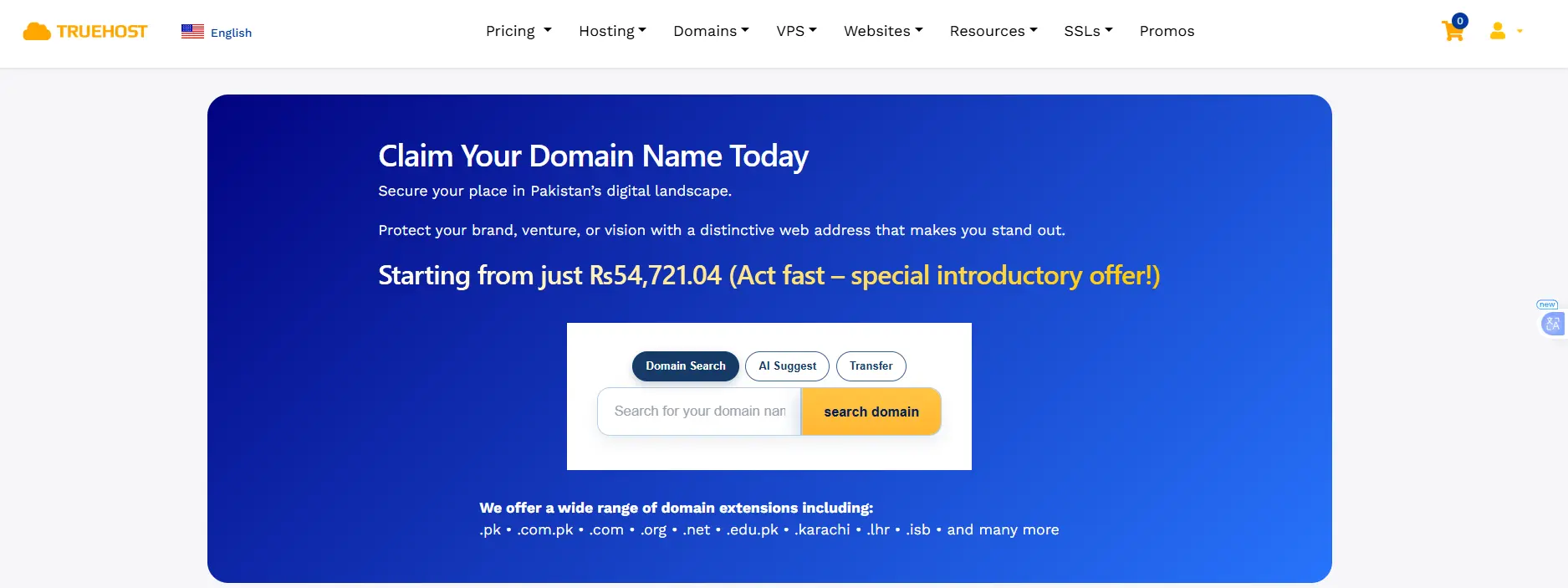
A domain search that stops at “is it available?” skips a few checks that can save you real trouble later.
- Search availability for your top choice and a few solid alternatives, so you’re not stuck if your first pick is gone.
- Check for existing trademarks or brands using the same or a very similar name. Even if a domain is technically available to register, using a name that overlaps with an established brand or trademark can create legal or reputational headaches down the line.
- Look into the domain’s history. A domain that was previously registered and dropped may carry baggage; it could have been used for spam, flagged by email providers, or associated with content unrelated to your work. Tools that show archived versions of a site, along with a domain’s backlink and reputation history, can help you spot red flags before you buy a “used” domain.
- Check matching social media handles. Even if your main presence is your portfolio site, having a consistent username across platforms (Instagram, LinkedIn, X, GitHub, Behance, etc.) reinforces your brand and makes you easier to find.
- If your ideal domain is taken, weigh the alternatives carefully before paying a premium markup on the secondary market. In many cases, a slightly modified name registered fresh at standard price is a better use of your budget than an expensive resale.
Before registering a domain, search for existing trademarks or businesses using the same or a similar name. For Pakistan-based businesses, you can check trademark information through IPO Pakistan.
5) Protect Your Domain and Account
A domain is a piece of digital property, and like any property, it’s worth securing properly from day one.
- Turn on WHOIS/RDAP privacy if your registrar offers it. This keeps your personal contact information (name, address, phone, email) out of the public WHOIS database, reducing spam and reducing exposure to anyone looking to impersonate or harass you.
- Enable two-factor authentication (2FA) or a passkey on your registrar account. Domain hijacking, where someone gains access to your account and transfers your domain away, is a real and disruptive risk, and 2FA is one of the simplest defenses against it.
- Use a strong, unique password specifically for your registrar account. Reusing a password from another service means that a breach there could expose your domain, too.
- Enable a domain/transfer lock. This setting prevents your domain from being transferred to another registrar without your explicit authorization, adding another layer of protection against unauthorized changes.
- Keep your registration email and contact details current. Renewal notices, security alerts, and ownership verification requests all go to the email on file. If that inbox is abandoned or the details are outdated, you risk missing a renewal notice or losing the ability to prove ownership if a dispute ever arises.
6) Compare Registrars by Overall Cost
The registrar you buy from counts almost as much as the domain name itself, and the sticker price on the homepage rarely tells the full story.
Don’t choose based solely on an attractive first-year rate. Instead, compare:
- First-year price
- Renewal price (often significantly higher than the introductory rate)
- Privacy protection (included free, or an added cost?)
- Transfer fees (in case you ever want to move to a different registrar)
- DNS management (how flexible and reliable is it?)
- Customer support (availability and responsiveness when something goes wrong)
- Security features (2FA, transfer locks, and how easily they’re enabled)
It’s also worth projecting the 3–5 year cost, not just the first year, since a domain is a recurring expense you’ll keep paying as long as you own it. Where possible, register your domain separately from your website builder or hosting platform.
Bundling everything together can be convenient at first, but it makes it harder to migrate your site to a different platform later without the risk of losing your domain in the process. Keeping domain ownership independent gives you more flexibility as your portfolio, and your career, evolves.
7) Protect Your Domain for the Long Term
Buying the domain is just the beginning; a bit of ongoing maintenance keeps it safely yours.
- Turn on automatic renewal immediately after purchase. This is the single most effective way to avoid accidentally losing a domain you’ve built your brand around.
- Make sure your payment method stays valid and that the email address tied to your registrar account is one you actually check regularly.
- Set an independent calendar reminder ahead of your renewal date as a backup, in case an automatic charge fails or a renewal email lands in spam.
- Keep your ownership and login credentials secure, and revisit them periodically, especially if you’ve changed devices, email providers, or passwords elsewhere.
- Review your domain settings occasionally for unauthorized changes to DNS records, contact information, or registrar locks, which can be an early sign of compromise.
- Growth plan. If your personal portfolio eventually expands into a studio, agency, or larger brand, you can use redirects or register additional domains that point back to your main site, preserving your existing traffic and reputation while you transition.
Choose the Right Domain for Your Portfolio
Your domain is a small decision that pays off for years, so it’s worth getting right the first time. Lead with your name, pick an extension your audience will trust, keep it short and typo-proof, run the background checks before you buy, lock the account down, and compare registrars on total cost rather than the flashy first-year price.
Do that, and your domain stops being just a URL; it becomes a permanent, portable asset in your career: easy to share, easy to remember, and easy to trust.
Ready to claim yours? Browse available domains on Truehost and get your portfolio a proper home online.
Buying a Domain for Your Portfolio Website: FAQs
What domain should I use for my portfolio website?
Your first and last name with .com is usually the strongest choice. If it’s taken, try a simple variation, a middle initial, a shortened name, or a relevant extension such as .design or .dev.
What makes a good portfolio domain name?
A good domain is personal, simple, and easy to remember. Your name or a close variation is usually the best option. Avoid unnecessary numbers, hyphens, or names that could box you into a specific role or niche as your career changes.
Can I make money by buying domain names?
Yes, domain investing involves buying domains and reselling them for a profit. However, it requires real research into naming trends and demand, carries financial risk, and many domains never sell for more than their purchase price.
What is the most expensive domain name?
Some domain sales have reportedly reached into the millions of dollars. These high-value sales are extremely rare, industry-specific, and very different from the practical, budget-friendly process of buying a domain for a personal portfolio.
Do I need a custom domain for my portfolio website?
No, a free subdomain from a website builder can work fine when you’re just starting. That said, a custom domain looks more professional and is far easier to use on your resume, business cards, and social profiles.
Does my domain name affect SEO?
A domain name alone has a limited direct effect on SEO. Your content quality, site structure, and backlinks count more. That said, a clear, memorable domain can still make your portfolio easier for people to find, share, and return to directly.
Where should I buy my domain?
Use a reputable registrar, such as Truehost, rather than relying solely on your website builder’s bundled domain option. Registering separately makes it easier to switch platforms later without risking the loss of your domain.