 Domain SearchInstantly check and register your perfect .pk or international domain
 Web HostingGet a .pk domain for as low as PKR 467
 cPanel HostingUser-friendly hosting powered by cPanel
 Reseller HostingLaunch your own hosting business with minimal technical requirements
 Windows HostingOptimized for Windows-based applications and websites
 Affiliate ProgramEarn referral commissions by promoting our services
 WordPress HostingFast & Reliable WordPress Hosting
 Domain TransferMigrate your existing domain seamlessly with zero downtime.
 All DomainsAccess 324+ top-level domains (TLDs) worldwide from a single platform
 Whois LookupIdentify the owner of any domain using our whois and rdap lookup tool
 Managed VPS Hosting
 AI Website BuilderCreate beautiful websites effortlessly using intuitive drag-and-drop features
 Online ShopLaunch a professional online shop with no technical skills required
 BlogDiscover expert guides on hosting, websites, SEO, and digital growth strategies
 ContactGet instant assistance via live chat or email
 SupportAccess help articles, tutorials, and service documentation
 SSL CertificatesEncrypt data, build trust, and boost SEO.
If you want to start a web hosting business in Pakistan, you do not need to build a data center or buy a rack of servers.
You can start by purchasing reseller hosting from an established provider, creating your own hosting brand, and selling individual hosting accounts to customers.
That makes reseller hosting a practical entry point for web developers, freelancers, digital agencies, and people who already work with small businesses.
The bigger challenge is not getting a reseller account. It is building a business around it, including finding the right customers, choosing enough resources, setting sustainable prices, making payments easy, and providing support when something goes wrong.
This guide shows you how to do that step by step.
How Does Reseller Hosting Work?
Reseller hosting lets you purchase hosting resources from an established hosting provider and then sell those resources to your own customers.
Your provider takes care of the underlying server infrastructure. You take care of the business.
Depending on your provider and plan, you may get access to tools such as WHM, which lets you create and manage individual hosting accounts for your customers.
Your customers can then use their own hosting control panel, such as cPanel, to manage their websites, email accounts, databases, and other services.
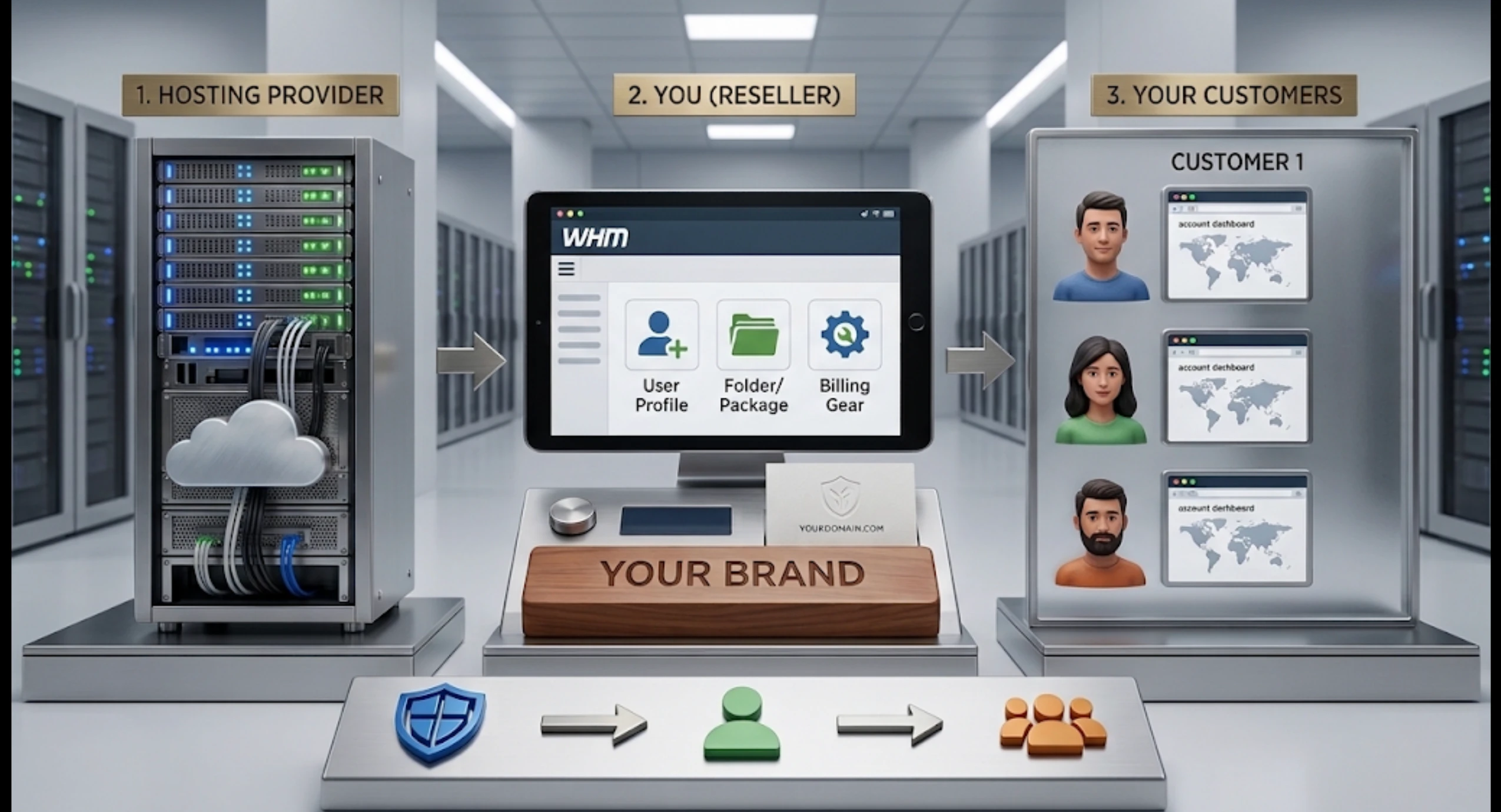
You decide which packages to offer and how much to charge. You manage your customers, billing and first-line support, while the upstream provider handles the physical and server infrastructure behind your service.
White-label hosting makes this model even more useful for a new hosting business. Your customers can interact with your business name and domain instead of seeing the company providing the underlying infrastructure.
Our Truehost Reseller Hosting plans are built around this model, giving you the resources and tools to offer hosting under your own brand.
You could build the infrastructure yourself, but that would mean dealing with servers, operating systems, networking, security, backups, monitoring, and maintenance before you have even found your first customer.
Reseller hosting lets you start on a smaller scale and put more of your early effort into getting customers and providing a service they want to keep.
Step-by-Step Guide to Start a Web Hosting Business in Pakistan
1) Decide Who You Will Sell To
Don’t start by trying to host everyone.
The easiest customers to reach are often people you already have some connection with.
A web developer, for example, can offer hosting to businesses after building their websites. A freelancer can add hosting to a website development or WordPress service. A digital agency can host several client websites from one reseller account.
You can also focus on small businesses in a particular niche, such as retailers, consultants, clinics, schools, or professional firms.
Pakistan also has a substantial freelance workforce. A World Bank publication estimated that more than 200,000 Pakistanis were working on online work platforms as independent contractors.
Now, you don’t need thousands of customers. A small base of customers who stay with you can give the business a solid foundation.
Start with people you can realistically reach. And the closer your hosting service is to a problem you already help customers solve, the easier it is to make that first sale.
2) Set Up the Business Properly
Before taking payments, understand the business and tax requirements that apply to you.
Pakistan’s Federal Board of Revenue provides income tax registration through its Iris system. If you decide to establish a company, the Securities and Exchange Commission of Pakistan handles company incorporation and provides an online incorporation process.
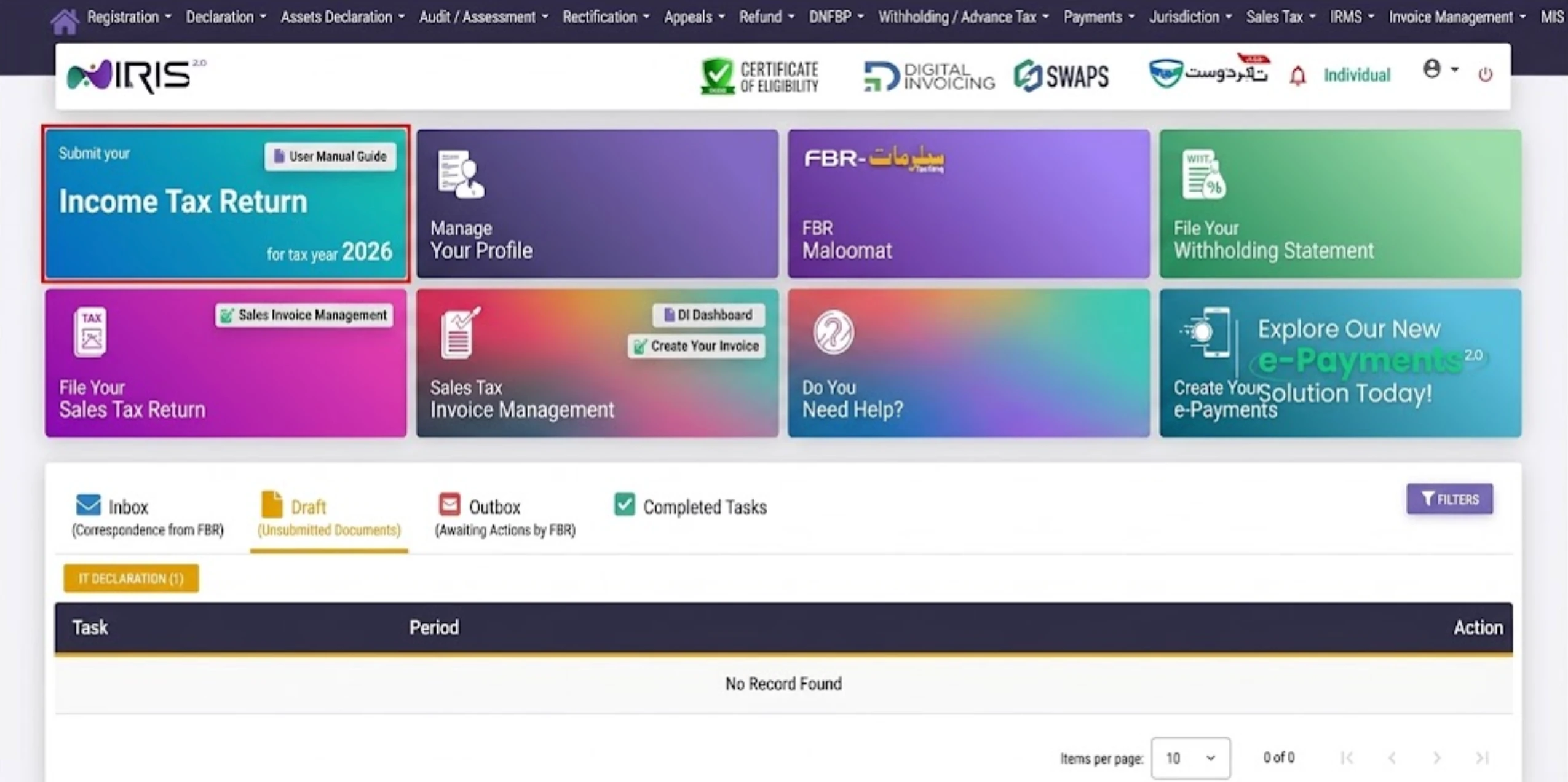
The right setup depends on your business structure and circumstances, so get local tax or legal advice if you are unsure about your obligations.
At the very least, keep your business income, expenses, invoices, and customer payments properly recorded and organized from the beginning.
It may feel unnecessary when you only have a few customers. Once those customers become dozens of recurring accounts, having clean records will save you a lot of trouble.
3) Choose Your Reseller Hosting Provider
Your upstream provider becomes part of your customers’ experience, so don’t choose based on price alone.
If a customer’s website goes down, they are likely to contact you first. You need a provider that gives you the resources and support to deal with problems quickly.
Check:
1. WHM access: You should be able to create and manage customer accounts yourself instead of contacting support for every basic change.
2. White-label features: Your business should be able to operate under its own identity.
3. Resource limits: Check storage, bandwidth, CPU usage, memory, inode limits, and the number of accounts allowed. Don’t rely only on labels such as “unlimited.”
4. Backups and security: Find out what is backed up, how often backups run, how long backups are retained, and how restoration works.
5. Support response times: Your provider’s support becomes part of your own customer experience. Before signing up, try asking a technical question and see how quickly and clearly you receive an answer.
6. Upgrade options: Your first reseller package may not be enough forever. Check what options are available when your customer base grows.
Our Truehost Reseller Hosting service provides the reseller infrastructure you need to create your own hosting packages and serve customers under your brand.
4) Choose the Right Plan
Don’t automatically buy the biggest package. Start by estimating what your first customers are likely to need:
- How many customers you expect initially
- How much storage their websites may use
- If they will host email
- If you’ll mainly host WordPress sites
- If customers will run e-commerce websites
- How much room you’ll need to grow
Five small business websites have very different requirements from 50 WooCommerce stores.
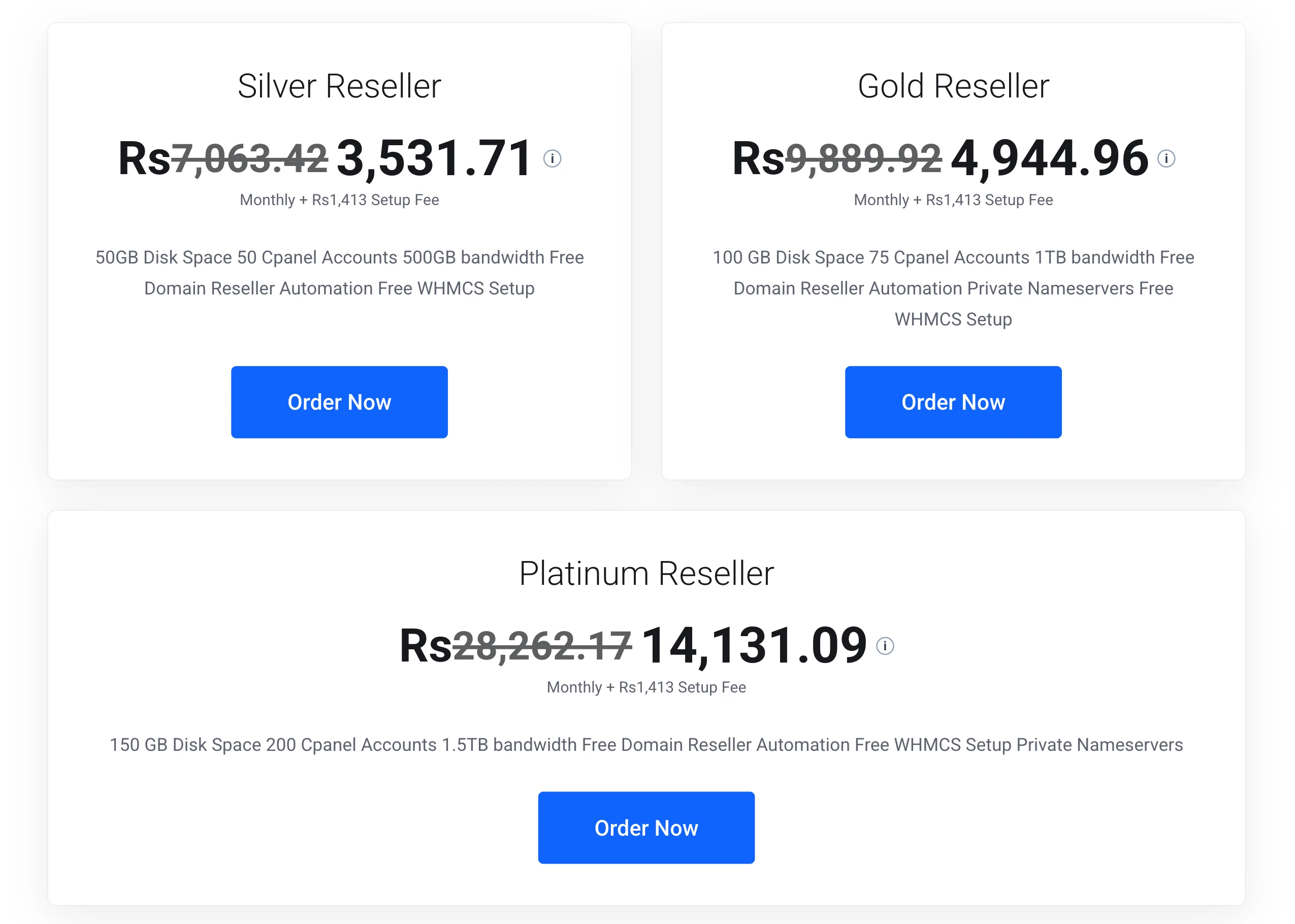
You want enough capacity to serve your first customers comfortably without paying for resources you are unlikely to use.
Use the current resource limits and pricing on the reseller plan you are considering when making your calculation.
You can check our current Truehost reseller plans before deciding how much capacity you need.
5) Set Up Billing and Payments
A hosting business has one big difference from a one-time website project: customers have to renew.
Your billing system therefore needs to handle more than the first payment.
Ideally, it should help you manage:
- Customer registration
- Invoices
- Payments
- Service activation
- Renewal reminders
- Suspensions and renewals
WHMCS can automate much of this workflow when properly configured.
You also need to make payment easy for Pakistani customers. Depending on your audience, that could include local payment methods, bank transfers, or other options your customers already use.
Before integrating a payment gateway, check its current availability, fees, settlement process, and compatibility with your billing system.
The goal is for your customer to know how much they owe, how to pay it, and when their hosting needs to be renewed without having to message you first.
6) Price for Profit, Not Just Sales
One of the easiest mistakes for a new hosting business is copying the cheapest competitor and then trying to go even lower.
That may help you attract attention, but low prices leave very little room for support, payment fees, marketing, and other operating costs.
Start with a simple calculation:
Hosting cost + payment costs + operating/support costs + desired profit = sustainable pricing
Suppose your reseller plan costs PKR X annually, supports 100 accounts, and you expect 20 customers.
Do not divide the cost by the maximum number of accounts your reseller plan technically allows. You may have space for 100 accounts, but that does not mean you will have 100 paying customers right away.
If the plan allows 100 accounts but you expect only 20 customers, your pricing needs to work with those 20 customers.
Your price also needs to compensate you for the work involved in running the service.
That includes:
- Answering support requests
- Handling website migrations
- Managing accounts
- Monitoring services
- Dealing with renewals
- Fixing basic hosting issues
- Managing payment problems
Your time has a cost too.
The goal is not to become the cheapest hosting provider. It is to set a price that covers the service you provide and leaves room for profit.
7) Get Your First Customers
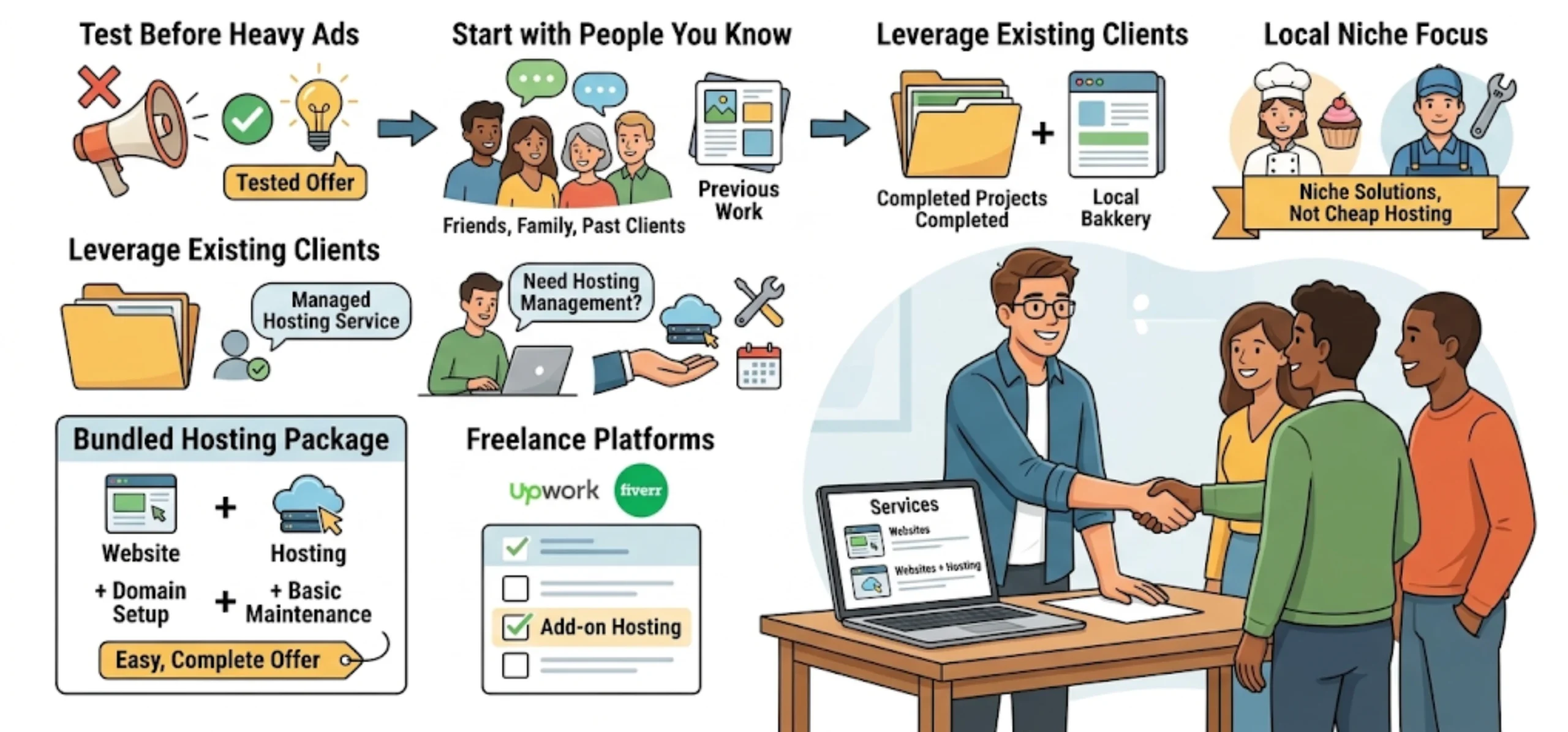
You do not need to spend heavily on advertising before you have tested your offer.
Start with people who already know your work.
If you have built websites for customers before, ask where those websites are hosted. You can offer to manage the hosting and handle renewals for them.
You can also bundle hosting with new website projects.
Instead of giving a customer a finished website and leaving them to figure out hosting, you can offer a package that includes the website, hosting, domain setup and basic maintenance.
Freelance platforms can also give you access to potential customers. If you already offer web-development services through platforms such as Upwork or Fiverr, hosting can become an additional service attached to those projects.
Another option is to focus on a particular local niche.
Instead of selling “cheap hosting,” sell a useful outcome.
For example, you could offer to host the website, handle renewals, and provide basic support. A non-technical business owner is more likely to understand that offer than a list of server specifications.
8) Make Support Part of the Product
Hosting is a support business wearing a technical costume.
Your customers may never ask how much RAM your server has. They will ask why their website is down.
They may also need help with an email account, a password, DNS settings, SSL, a domain renewal, or a website migration.
Your technical knowledge helps, but your responsiveness is also part of what customers are paying for.
Set clear expectations from the beginning about:
- Which support channels they can use.
- Your support hours.
- How quickly you normally respond.
- What is included in their hosting package.
- What counts as an emergency.
- Which requests may attract an additional charge.
If you offer WhatsApp support, for example, tell customers when you monitor it. Don’t promise 24/7 support if you are running the business alone and cannot realistically respond around the clock.
You can also use uptime monitoring to alert you when a customer’s website becomes unreachable. That gives you a chance to investigate before the customer has to report the problem.
Good support can also create opportunities to sell related services such as domains, business email, backups, website maintenance, and security.
9) Scale When the Business Justifies It
Reseller hosting gives you a place to start. It does not mean you have to use the same infrastructure forever.
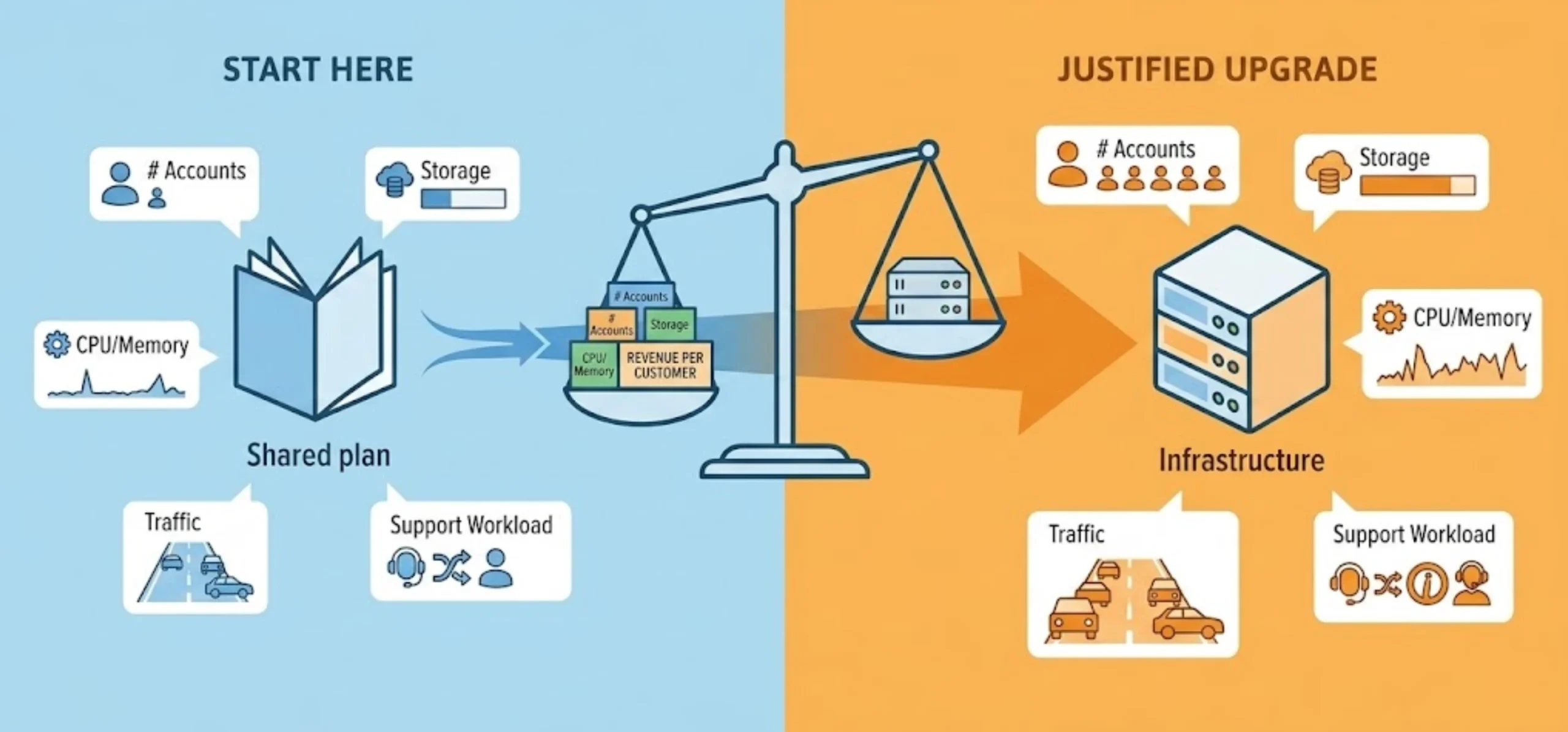
Keep an eye on your:
- Number of accounts
- Storage usage
- CPU and memory usage
- Traffic
- Support workload
- Revenue per customer
When your reseller resources become consistently tight, consider a larger reseller package, VPS, or another infrastructure option.
Do not upgrade just because a VPS sounds more professional.
Upgrade because your customer base, resource requirements, and revenue justify the additional cost.
That keeps your infrastructure expenses connected to the actual business.
Avoid These Common Mistakes
1. Buying hosting before finding customers. A reseller account does not create demand. Have a clear plan for finding customers before you start paying for infrastructure.
2. Competing only on price. There will always be someone willing to charge less. Compete on things you can control, such as support, convenience, migration help, maintenance or knowledge of a particular niche.
3. Choosing an upstream provider solely because it is cheap. The provider is part of your business infrastructure. A small saving on wholesale hosting is not worth much if poor performance or support causes you to lose customers.
4. Promising 24/7 support when you cannot provide it. If you’re running the business yourself, set support hours you can maintain. Clear expectations are better than promises you cannot keep.
5. Ignoring renewals and customer retention. Getting a customer is only the beginning. Set up renewal reminders and make it easy for customers to continue their service.
6. Creating too many confusing packages. Customers don’t need 15 nearly identical hosting plans. Start with a few clear choices where the difference between each package is easy to see.
7. Operating without clear service, payment, and refund policies. Have basic policies covering acceptable use, payments, cancellations, refunds, resource abuse, and suspension. Make sure the policies are appropriate for your business and jurisdiction.
8. Trying to serve everyone instead of choosing a specific market. A hosting service aimed at everyone can be difficult to market. Starting with a specific customer group gives you a clearer offer and makes it easier to find your first customers.
Start a Web Hosting Business Today
To start a web hosting business in Pakistan, you don’t need to own servers. Reseller hosting gives you the infrastructure; your job is to turn it into a service customers want to keep paying for.
Choose a specific audience, select a reseller plan with enough resources, build your brand, automate billing, price for sustainable profit, and focus heavily on support.
Start with customers you already know. Keep those customers by making hosting simple for them.
That’s the real business.
The reseller account gives you the infrastructure. Your customer relationships, pricing, support, and service are what turn that infrastructure into a hosting company.
If you’re ready to assess the infrastructure side, check out our Truehost Reseller Hosting plans or view the current reseller plans and checkout options.