 Domain SearchInstantly check and register your perfect .pk or international domain
 Web HostingGet a .pk domain for as low as PKR 467
 cPanel HostingUser-friendly hosting powered by cPanel
 Reseller HostingLaunch your own hosting business with minimal technical requirements
 Windows HostingOptimized for Windows-based applications and websites
 Affiliate ProgramEarn referral commissions by promoting our services
 WordPress HostingFast & Reliable WordPress Hosting
 Domain TransferMigrate your existing domain seamlessly with zero downtime.
 All DomainsAccess 324+ top-level domains (TLDs) worldwide from a single platform
 Whois LookupIdentify the owner of any domain using our whois and rdap lookup tool
 Managed VPS Hosting
 AI Website BuilderCreate beautiful websites effortlessly using intuitive drag-and-drop features
 Online ShopLaunch a professional online shop with no technical skills required
 BlogDiscover expert guides on hosting, websites, SEO, and digital growth strategies
 ContactGet instant assistance via live chat or email
 SupportAccess help articles, tutorials, and service documentation
 SSL CertificatesEncrypt data, build trust, and boost SEO.
Did you buy another new domain or rename your business, and now you need old visitors to land on the new site, not a dead page? That is exactly what a redirect does. It is quick to set up; it does not need fancy coding skills, and once it is live, you never have to think about it again.
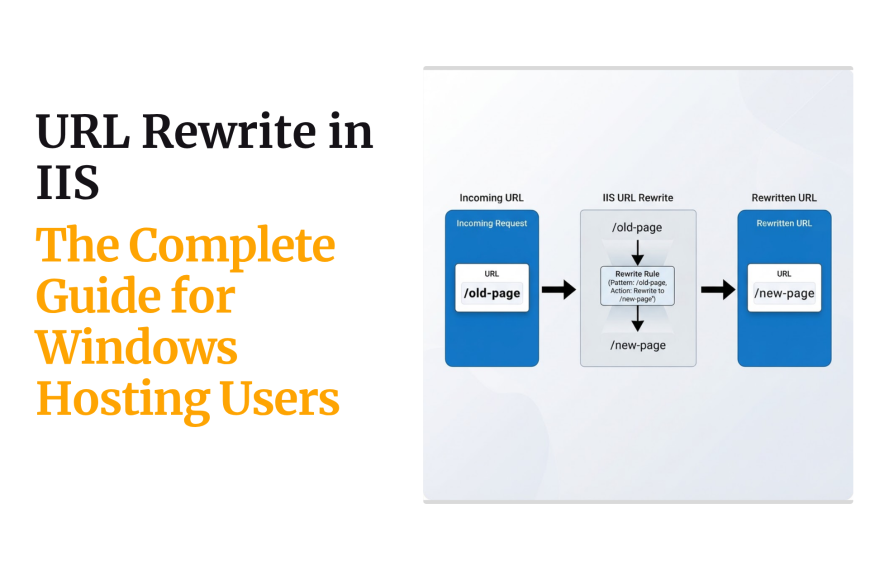
A domain redirect sends a visitor from one web address to another. It happens on its own. The visitor does not type anything new. They just land on the right page.
Here is a simple example.
Someone types in your old website name. A redirect grabs that visit. It sends them to your new site in a second or two. They never even see the old page load. That is the whole idea behind a redirect domain name setup. It moves traffic from one address to another.
But before we learn how to redirect a domain name to another, let’s first see the types of domain redirects.
Types of Domain Redirects

Before picking a method, it helps to know the types of redirects out there. Each one works a little differently.
1) 301 redirect (permanent, best for SEO)
A 301 redirect tells browsers and search engines that a page has moved for good. It is not coming back. This is the best choice when you redirect domain name traffic for a rebrand or a full domain change. Search engines pass most of the ranking value from the old address to the new one.
2) 302 redirect (temporary)
A 302 redirect sends a similar message, but with a twist. It tells everyone this move is only temporary. Search engines keep the old page indexed, since they expect it to come back. This works well for short campaigns, seasonal pages, or quick tests.
3) Domain forwarding vs masked forwarding
Regular domain forwarding sends visitors to the new address. The browser bar updates to show that new address clearly. Masked forwarding works differently. It keeps the old domain showing in the browser bar the whole time, even though the content is coming from somewhere else. This can confuse visitors. It can also cause issues with search engines. Most experts suggest sticking with regular forwarding instead.
4) Meta refresh redirect
This type lives inside the webpage code, not on the server. It loads the old page first. Then it refreshes after a few seconds and sends the visitor onward. It is the weakest option of the four. It is slower. It feels clunky to visitors. It also does not pass along SEO value as well as a proper redirect.
Now, here are four ways to redirect a domain name to another.
4 Ways to Redirect a Domain Name
Here are four ways to redirect domain name traffic. They are broken down by skill level, so pick whichever fits you best.
1) Domain forwarding through your registrar (best for beginners)

This is the easiest method and needs zero coding. If you bought your domain through a registrar, there is a good chance they already have a forwarding tool built right into your account.
Here is how it works.
Log into your registrar account. Find the domain you want to redirect. Look for a setting called forwarding, redirect, or domain pointing. The wording changes between registrars, but the idea stays the same.
Type in the full web address you want visitors sent to. Save your changes. Most registrars also let you pick between a permanent or temporary redirect in that same screen, so you can choose 301 or 302 depending on your case.
As a beginner, you love this method for one reason. There is no risk of breaking your live site. It usually kicks in within a few minutes to a few hours. Full worldwide changes can take up to 24 hours to fully spread.
This method works great if you want to redirect domain name traffic quickly. Think seasonal campaigns, spelling variations, or a simple one-page business site.
2) Editing DNS/nameserver settings (moderate skill level)
This method gives you more control. It also needs a bit more comfort with technical settings. Instead of using your registrar’s forwarding tool, you point your domain’s DNS records directly at the server where your new website lives.
Here is the general process.
Log into your DNS management panel. This is usually under a section called DNS settings or nameservers. From there, create or edit an A record, which points your domain to a server address. Or use a CNAME record, which points it to another domain name instead.
Once you save the record, visitors typing your old domain get sent to the new site at the network level, before the request even reaches a webpage.
This route suits people managing several domains at once. It also suits anyone who wants more flexibility than basic forwarding offers. It gives you full control over your redirect domain name setup, though it can take up to 48 hours to fully spread in rare cases.
3) .htaccess file redirect (for developers or hosted websites)
This method lives on your web server. It gives you the most precise control of all four options. But it needs some comfort with code, or at least careful attention to instructions.
The .htaccess file is a small file that sits in your website’s root folder, mostly on Apache-based hosting. To redirect domain name traffic this way, open the file through your hosting file manager or an FTP program. Add a short line of code with the old address and the new address. Save the file. The change applies almost right away, since it happens on the server itself, not through DNS.
This method works best for redirecting single pages, not just whole domains. Developers often pick this option when SEO precision really counts, since you control the exact redirect type down to a fine level.
4) CMS or website builder redirect tool (for WordPress, Shopify, and similar platforms)

If your site runs on WordPress, Shopify, or Wix, you likely do not need DNS or code at all. Most platforms offer a built-in redirect feature, or a simple plugin that does the job through a friendly dashboard.
On WordPress, popular plugins let you type in the old page, choose your redirect type, and save. No coding needed. Shopify works the same way, with a redirect section right inside your admin settings.
This method sits between the simplicity of registrar forwarding and the precision of a .htaccess edit. It suits owners who manage their own site day to day and want to redirect domain name traffic for specific pages, promotions, or old blog posts, without calling in outside help every time.
Reasons to Redirect a Domain
People redirect a domain name for a few common reasons. Let us go through each one.
a) Rebranding
A business changes its name. Maybe there is a new logo. Maybe the whole brand feels different now. The old domain no longer fits. But old visitors still remember the old address. So owners redirect domain name traffic from the old site to the new one. Old bookmarks still work. Old links from other sites still work too. The brand looks new, but nobody gets lost along the way.
b) Merging two businesses
Two companies join together. Now there are two websites and two domains. Nobody wants to run both forever. So the business picks one main site. Then it redirects the second domain to it. This keeps everything in one place. It stops customers from seeing duplicate or confusing information. It also keeps the trust both sites had already built.
c) Owning multiple domain spellings

Many owners buy a few versions of their name to protect their brand. Maybe they own the correct spelling. Maybe they also own a common misspelling. Maybe they own both the singular and plural version. Nobody wants to build four separate websites for that. So each extra version gets redirected to the main one. No matter how someone types the name, they land in the right place.
d) Moving to a new domain
Sometimes a domain name just gets old. It might be too long. It might be hard to spell. It might have been picked in a rush years ago. When the time comes for something better, the old domain gets redirected to the new one. This keeps the same visitors coming in. It also protects search rankings, so the business does not start from zero.
e) Running seasonal or campaign domains
Some businesses register short domain names just for a sale or an event. Once the campaign ends, that domain gets redirected to the main website. That way, all the traffic built during the campaign is not wasted once it wraps up.
Set Up Your Redirect
Ready to get your domains pointed the right way? Truehost’s domain management page makes it simple to set up forwarding, adjust DNS records, and keep everything running smoothly in just a few clicks.
Redirect a Domain Name to Another FAQs
Redirecting a domain does not hurt your SEO if it is done correctly. A proper 301 redirect actually preserves most of your search ranking value when you redirect domain name traffic to a new address.
Yes, you can redirect a domain without hosting. Registrar-based domain forwarding lets you redirect a domain even if you do not have a hosting account, since it works entirely through your registrar’s settings.
Yes, you can redirect multiple domains to one website, and this is extremely common. Many businesses redirect domain name variations, misspellings, or old brand names all into a single main website.
Domain forwarding is not the same as a domain redirect. Forwarding is one specific way to achieve a redirect, usually set up through your registrar. Redirects can also happen through DNS, server files, or website platform tools.
Yes, you can redirect just one page instead of the whole domain. This is where the .htaccess method or a CMS redirect plugin works best, letting you send just one specific page to a new address instead of the whole site.