 Domain SearchInstantly check and register your perfect .pk or international domain
 Web HostingGet a .pk domain for as low as PKR 467
 cPanel HostingUser-friendly hosting powered by cPanel
 Reseller HostingLaunch your own hosting business with minimal technical requirements
 Windows HostingOptimized for Windows-based applications and websites
 Affiliate ProgramEarn referral commissions by promoting our services
 WordPress HostingFast & Reliable WordPress Hosting
 Domain TransferMigrate your existing domain seamlessly with zero downtime.
 All DomainsAccess 324+ top-level domains (TLDs) worldwide from a single platform
 Whois LookupIdentify the owner of any domain using our whois and rdap lookup tool
 Managed VPS Hosting
 AI Website BuilderCreate beautiful websites effortlessly using intuitive drag-and-drop features
 Online ShopLaunch a professional online shop with no technical skills required
 BlogDiscover expert guides on hosting, websites, SEO, and digital growth strategies
 ContactGet instant assistance via live chat or email
 SupportAccess help articles, tutorials, and service documentation
 SSL CertificatesEncrypt data, build trust, and boost SEO.
Every founder eventually hits the same fork in the road: build a website first, or go straight to a mobile app? It feels like a simple either/or, but it’s really a question about two different things: how customers find you and how customers use you.
A website is public by default. It lives on the open web, gets indexed by search engines, and opens instantly in a browser on any device, with nothing to install. A mobile app is private by default. It has to be discovered, downloaded, and installed before it delivers any value, which means it works best for people who already know your brand and plan to come back often.
That distinction is the whole decision. Get it backwards: building a polished app before you have an audience that wants to install it, or launching a bare-bones website when your product’s entire value depends on the camera and GPS. You can burn months of runway on the wrong deliverable. The good news is that for most businesses, the right starting point is more predictable than it feels.
Head-to-Head Comparison
| Factor | Website | Mobile App |
| Cost | Lower, especially at the small-business end | Larger across almost every project size |
| Development time | Weeks | Months |
| Reach | Discoverable via search engines | Depends on app store visibility and existing brand awareness |
| Access | Click a link, no install | Must be found, downloaded, and installed |
| Offline use | Limited | Strong |
| Push notifications | Limited (browser notifications exist but are weaker) | Native and highly effective |
| Device features (GPS, camera, biometrics) | Limited, improving via browser APIs | Full access |
| Engagement per user | Lower session depth | Substantially higher session depth |
| Updates | Instant, server-side | Require user action in most cases |
| Maintenance | Simpler, one codebase for all devices | More complex, especially with separate iOS/Android builds |
| Best for | Visibility and new-customer acquisition | Retention and frequent, repeat use |
1) Cost and Development Time
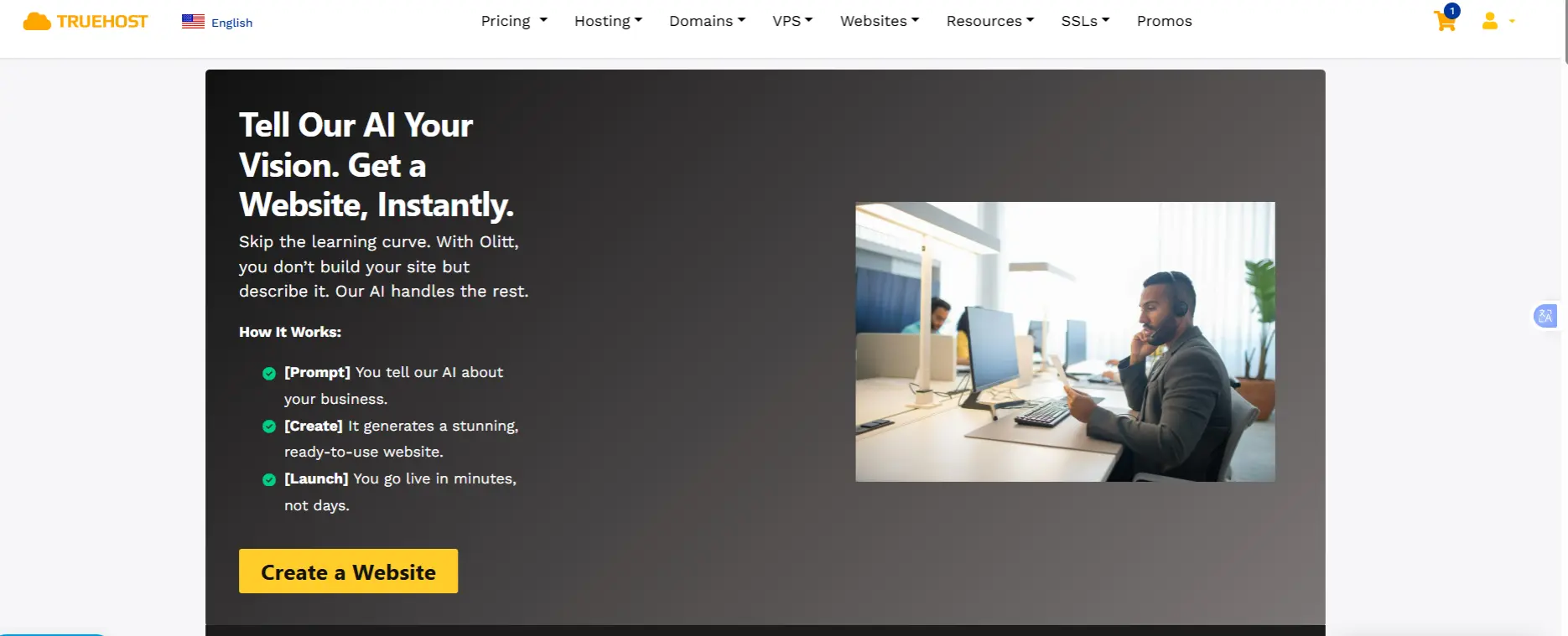
Websites are cheaper and faster. On the low end, a small business can get a professionally built, ready-to-launch site for well under $100, for example, Truehost’s Pakistan-based builder offers a done-for-you 7-page website for a one-time
₨27,982.35Basic online store for
₨84,512.35Also, DIY builder plans starting around
₨5,370.35A more custom web app costs more, typically $8,000–$50,000 depending on features.
Mobile apps cost significantly more across the board. Simple apps start around $10,000–$40,000, while a full-featured app with a custom backend usually runs $50,000–$170,000, and enterprise apps can exceed $300,000–$500,000. Ongoing maintenance typically adds another 15–20% of the build cost every year.
Cross-platform tools like React Native or Flutter can cut app costs by 30–50% compared to building separate iOS and Android apps.
Bottom line: a website can go live for well under $100 to a few thousand dollars, depending on how custom it needs to be. An app is usually a multi-month, five- or six-figure commitment, worth making once you’re confident people will actually download it.
2) Reach and Discoverability
This is where the two options diverge most sharply, and it’s arguably the single biggest reason most businesses should start with a website.
A website can be found by anyone, at any time, through a Google search, a social media link, an email, a paid ad, or a referral, with zero friction between discovery and use. An app has to clear a much higher bar: someone has to find it in an app store (or hear about it elsewhere), decide it’s worth the storage space and the few seconds of setup, and go through the install-and-open process before they experience anything.
That install barrier is real and measurable. Even highly optimized funnels lose a meaningful share of interested users at the download step, well before those users ever see the product. Search engines simply cannot crawl or index what’s locked behind an app store listing the way they can crawl a public web page, so for a business whose growth depends on new-customer discovery rather than an existing fanbase, a website remains the more reliable acquisition channel.
3) Performance, Engagement, and the Data Behind the Decision
Once someone has installed an app, the engagement gap is dramatic, and this is the strongest argument in the app’s favor. Recent industry data paints a consistent picture:
- Mobile users now spend the overwhelming majority of their phone time inside apps rather than in the mobile browser; estimates commonly put it at 88–94% of total smartphone time, according to 2026 mobile usage reports.
- E-commerce shoppers spend roughly 202 minutes per month in shopping apps compared to under 11 minutes on the mobile web, an engagement gap of nearly 18x, per recent app-industry benchmarks.
- On the conversion side, some 2026 benchmarks show mobile app users viewing far more products per session and converting to purchase at meaningfully higher rates than mobile-browser visitors, largely thanks to saved logins, faster repeat checkout, and push notifications pulling people back in.
- Globally, the average smartphone user now opens around 30–38 apps a month and spends roughly 3.5–5 hours a day inside them, according to Sensor Tower’s State of Mobile 2026 report and related industry trackers.
The catch is that all of this engagement is downstream of the install. An app that never gets downloaded delivers none of these benefits; it just becomes a maintenance line item. A website, by contrast, can be fast, responsive, and mobile-optimized without asking anyone to install anything, and modern browser features (offline caching, push-style notifications, home-screen shortcuts via Progressive Web Apps) have narrowed the experience gap for many use cases, even if they haven’t closed it for things like deep camera integration, Bluetooth, or true background processing.
4) Engagement and Customer Retention
Apps excel at turning a one-time visitor into a repeat customer. Push notifications, saved payment details, order history, and personalized recommendations all make it easier and more frictionless to come back, which is precisely why categories built on repeat, habitual use (food delivery, banking, fitness, ride-hailing) are dominated by apps rather than mobile websites.
Websites are built for the opposite job: welcoming someone who has never heard of you before and getting them to a purchase or a signup with the least possible friction. That’s a strength, not a weakness; it’s simply a different stage of the customer relationship.
The risk with jumping to an app too early is that its retention advantages only materialize if people actually keep the app on their phone and open it regularly. Average 30-day app retention across categories still sits in the single digits by some industry benchmarks (roughly 5–7%), which means an app built for a business that hasn’t yet earned repeat visits is likely to be deleted long before it pays for itself.
5) Maintenance and Long-Term Costs
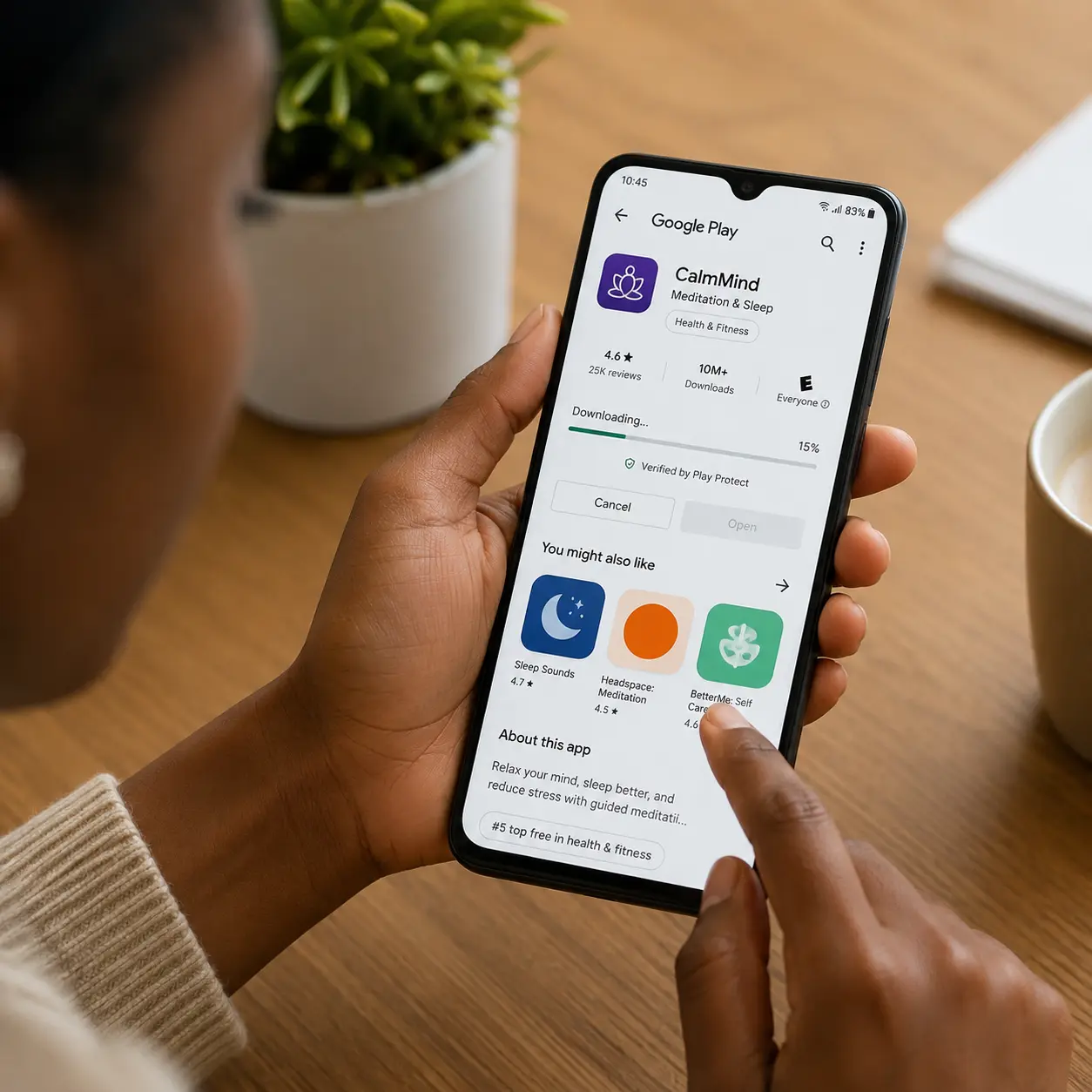
A website’s updates happen on the server: publish a change, and every visitor sees it on their next page load. An app update has to be built, tested, submitted to the App Store or Google Play, approved, and then downloaded by the user before it takes effect, and a meaningful share of users never update promptly, which means you’re often supporting several versions of your own app at once.
Apps also carry ongoing platform risk that websites mostly avoid: new iOS and Android releases can break existing functionality, app store policies can change overnight, and supporting two operating systems effectively means maintaining two products.
Budgeting 15–20% of the original build cost per year for maintenance is a reasonable rule of thumb for a business-grade app; websites are typically far cheaper to keep current.
Why Most Businesses Should Start With a Website
Put the factors together, and the case for starting with a website is less about apps being inferior and more about sequencing. A website is:
- Easy to access: no download, works in any browser, on any device.
- Easier to find: discoverable through Google, social media, ads, email, and referrals, which counts most when you’re still building an audience.
- Better for SEO: a website’s pages can be indexed and ranked; app store listings can’t compete with that for organic discovery, and Google explicitly uses the mobile version of your website for indexing.
- Lower-friction: a customer clicks a link and starts browsing immediately, versus finding, downloading, installing, and signing up for an app.
- Easier to update: changes go live instantly, with no update cycle for the customer to sit through.
- Cross-device by default: one responsive site serves phones, tablets, laptops, and desktops.
For a business that’s still acquiring its first customers, these advantages usually outweigh anything an app can offer, simply because an app’s benefits only kick in after someone has already chosen to install it.
When Should You Build a Mobile App First?
There are genuine cases where an app is the smarter starting point, typically when the product’s core value is tied to something a browser can’t fully deliver:
- Frequent, habitual use. If customers will realistically open your product daily or several times a week- fitness, food delivery, transit, banking, productivity- the retention tools an app offers (notifications, saved state, one-tap reopens) pay for themselves quickly.
- Push notifications are core to the experience. Order updates, appointment reminders, delivery tracking, and time-sensitive alerts land far more reliably through native app notifications than through browser-based alternatives.
- You depend on deep device features. GPS-based tracking, camera scanning, Bluetooth or NFC pairing, and biometric authentication are all better supported, and often exclusively available, in a native app.
- Offline access is essential. Field service, inventory management, travel, and certain education use cases need to function with no connection at all, something native apps handle far more robustly than websites.
- Personalization is central to the product. Persistent accounts, saved preferences, purchase history, and loyalty programs feel native to an app in a way they rarely do on the mobile web.
- You already have a loyal, engaged audience. If people already use your service regularly and would welcome a faster, more integrated way to do it, an app converts existing loyalty into deeper engagement rather than asking strangers to take a leap of faith.
Which Should Your Business Build First?
The simple rule: build a website first, unless your product genuinely can’t work without native app features. A website gets you visibility and customers at the lowest cost, in the shortest time. An app is best treated as a second step, built once you’ve already proven people want what you offer, not a first bet on an audience that doesn’t exist yet.
If you’re still unsure, the safest path is this: launch a strong, mobile-friendly website, use it to prove there’s real demand, and build a native app later only once you have clear reasons a website can’t cover, like offline access, push notifications, or hardware features such as GPS or camera integration.
Ready to get started? Let Truehost design your website and give your business the fast, affordable foundation it needs before you ever think about an app.
Mobile App vs Website FAQs
Should a small business build an app or website first?
Generally, start with a mobile-friendly website unless the business depends on frequent app usage or native smartphone features.
Is a mobile app better than a website?
Neither is universally better. Websites are generally stronger for discovery and accessibility; apps are stronger for engagement, retention, personalization, and device-specific functionality.
Can a website replace a mobile app?
For many businesses, yes. A responsive website or a Progressive Web App can deliver most of what customers need without requiring a download.
Should an e-commerce business build an app first?
Usually, start with a mobile-friendly e-commerce website. Consider an app once you have repeat customers and a clear reason for them to install it. The engagement upside for e-commerce apps is large, but only once there’s an established base of return shoppers.
Is a mobile app worth it for a small business?
It can be, but only if the app solves a recurring customer problem or creates measurable business value; otherwise, it becomes an ongoing cost without a matching return.
Can I turn my website into an app later?
Yes. Many businesses later build a native app, or use a website-to-app conversion service, on top of the same backend, APIs, and customer accounts, provided the original system was built with that flexibility in mind.
What’s better for SEO: an app or website?
A website is the clear choice for traditional search-engine visibility, since its pages can be crawled and indexed. Google also uses the mobile version of your website for indexing and ranking.
What should a startup build first?
For most startups, a website or web application is the lower-risk starting point. Build a mobile app first only when the product’s core value genuinely depends on mobile-specific behavior or hardware capabilities.
Can a PWA replace a mobile app?
Sometimes. Progressive Web Apps can be installed to a home screen, work offline, and send notifications, but they still don’t match native apps for every hardware feature or every platform’s capabilities.